
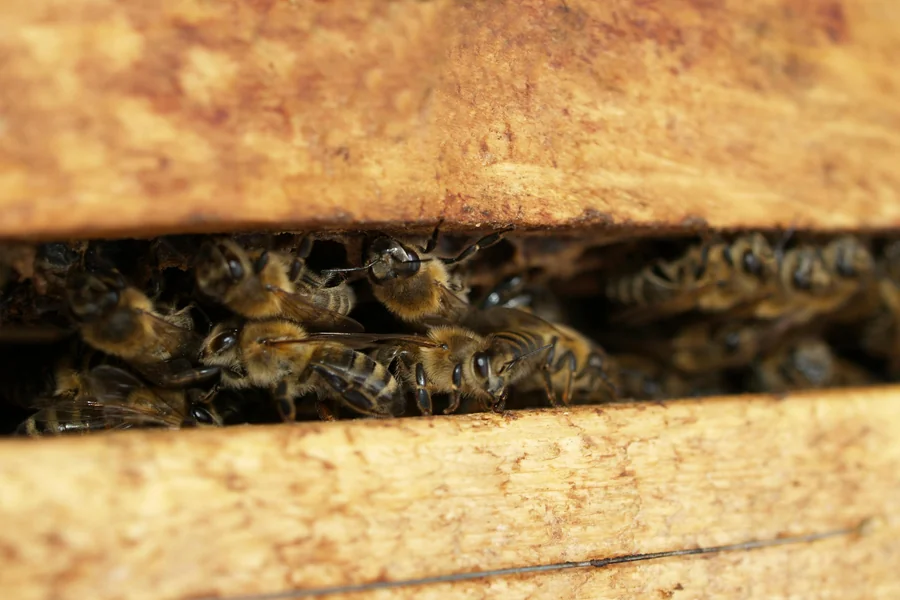

Bees are incredible creatures, vital to our ecosystem, tirelessly pollinating flowers and crops, and producing delicious honey. We often hear about the importance of protecting them, and rightly so. However, sometimes these beneficial insects decide to set up residence a little too close for comfort—inside your walls, in your attic, or right next to your front door. While you respect their role in nature, a bee infestation on your property can quickly become a serious safety concern and even cause damage to your home.
Knowing when a bee situation warrants professional intervention is crucial. It’s about understanding the difference between a passing swarm and an established colony, and recognizing the signs that you truly need a specialized honey bee removal service.
Swarms vs. Nests: Understanding the Difference
Before panicking, it’s important to distinguish between a bee swarm and an established nest. A bee swarm often appears as a large, dense cluster of bees clinging to a tree branch, a fence post, or another outdoor object. Swarms are usually temporary. They occur when a colony outgrows its hive, and a portion of the bees (including the old queen) leaves to find a new home. This cluster is merely a resting point while scout bees search for a suitable permanent location.
Swarming bees are generally not aggressive unless provoked, as they are focused on finding a new home and have no hive to defend. They might stay for a few hours or a few days before moving on their own. However, if they land in a problematic area (like near an entryway) or if the swarm doesn’t move after a day or two, it’s still wise to call a professional for assessment, as they might be about to move into your home.
Visible Signs of an Infestation: What to Look For
While a swarm is temporary, an established nest indicates a more permanent and problematic infestation. Look for these visible signs that bees have taken up residence in or on your property:
- Active Bee Traffic: Consistent, continuous bee activity around a specific entry point (e.g., a crack in the wall, a soffit vent, a chimney, under eaves). This isn’t just a few bees; it’s a steady stream of them coming and going throughout the day.
- Visible Comb or Honey: If you can see honeycomb or actual honey leaking from a wall, ceiling, or other structure, it’s a clear sign of an established nest within your property.
- Buzzing Sounds: A constant, audible buzzing coming from inside a wall, ceiling, or attic indicates a large colony.
- Dark Stains: Unsightly dark stains appearing on exterior walls below entry points could be caused by bee droppings or leaking honey.
These indicators suggest the bees have built a permanent home, and action is needed.
The Dangers Beyond the Sting: Property Damage and Pests
While the immediate fear of stings is valid, an unchecked bee infestation can lead to significant property damage. When bees build nests inside walls, attics, or chimneys, they construct elaborate honeycombs. These combs, filled with honey and pollen, can become very heavy, potentially causing structural damage to walls, ceilings, or roofs.
Furthermore, honey can melt and seep into your home’s structure, causing stains, attracting other pests like ants, cockroaches, or rodents, and even leading to secondary issues like mold growth in damp, hidden areas. Removing the bees is only half the battle; the honey and comb must also be properly extracted to prevent future problems.
Health and Safety Risks: Allergic Reactions and Defensive Bees
The most direct threat posed by a bee infestation is the risk of stings. While a single bee sting is painful for most, it can be life-threatening for individuals with severe allergies. Even for those without allergies, multiple stings can cause a serious reaction. Bees become highly defensive when their hive is disturbed or they perceive a threat to their colony.
If a nest is located in a high-traffic area (e.g., near a doorway, patio, or children’s play area), the risk of accidental disturbance and subsequent stings increases dramatically. Attempting to remove a hive yourself without proper protective gear and knowledge can provoke the entire colony, leading to a swarm attack that can result in numerous stings.
When DIY is Dangerous: Why Professional Help is Crucial
Facing a bee infestation, your first instinct might be to try and remove them yourself or spray them with pesticides. This is highly discouraged and incredibly dangerous for several reasons. You risk severe stings, and potential allergic reactions, and may only kill a portion of the bees, leaving the hive intact and attracting more pests.
More importantly, attempting to kill bees often leaves the honey and comb behind, leading to structural damage and attracting other pests later. Professional honey bee removal service ensures the bees are removed safely, humanely (by relocating them), and completely, along with the hive. They have the specialized tools, protective gear, and expertise to handle the situation without harming your family, your property, or the bees themselves.
For expert assistance in managing bee infestations, reputable companies like Nelson’s Bee Removal are equipped to handle these delicate operations.
Conclusion: Protecting Your Home and Honoring the Bees
A honey bee infestation can indeed be a cause for buzzing concern, posing risks to your family’s safety and your property’s integrity. Understanding the difference between a swarm and a nest, recognizing the visible signs of an infestation, and appreciating the dangers of stings and property damage are crucial.
Remember, attempting DIY removal is often risky and ineffective. By entrusting the job to a professional honey bee removal service, you ensure the bees are safely and humanely relocated, preventing damage to your home, safeguarding your loved ones, and playing your part in protecting these vital pollinators.


