South Texas Water Heater Warning Signs and Replacement Guide

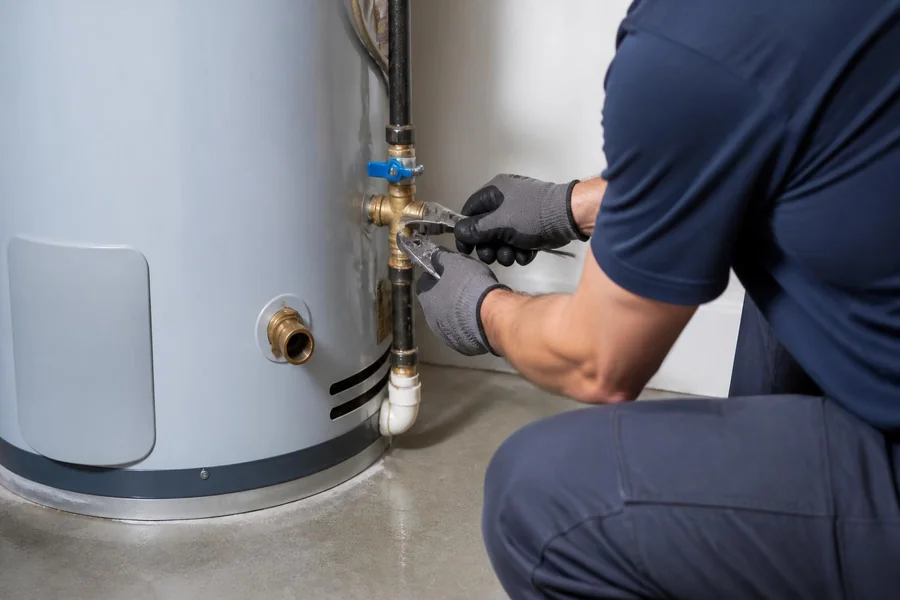
In South Texas, a dependable water heater supports busy mornings, laundry days, guests, and the everyday comfort of home. A complete loss of hot water may feel sudden, but many equipment problems begin with smaller changes, such as longer recovery times, odd sounds, or water near the unit. Paying attention early can help homeowners avoid an emergency decision after a cold shower or a damaging leak.
For homeowners weighing repair against water heater replacement, Beyer Plumbing Co. offers repair, installation, and replacement services for traditional and tankless systems across South Texas. The company has served the area since 1990 and maintains locations in Selma, San Antonio, and San Marcos, giving local homeowners a practical resource for diagnosing a failing unit and selecting equipment that matches their household’s hot-water needs.
Why Water Heater Trouble Rarely Starts With a Full Breakdown
Water heaters often show warning signs before they stop working altogether. A family may notice that the last person showering gets lukewarm water, then hear popping sounds a few weeks later, and eventually find moisture under the tank. None of those signs should be ignored. They can point to a service issue that is repairable or a tank that is nearing the end of its useful life.
Age matters, but it is not the only deciding factor. Many storage-tank water heaters operate for roughly eight to 12 years, though actual service life depends on maintenance, installation quality, water conditions, use, and the type of unit.
Warning Signs That Deserve Attention
- Water around the base: A loose connection or valve may be repairable, but water coming from the tank itself can indicate internal corrosion.
- Rust-colored hot water: Discoloration may come from the tank or from older plumbing, so compare hot and cold water at several fixtures.
- Rumbling, popping, or banging: Mineral sediment can build up in a storage tank and affect heating performance.
- Cold or inconsistent water: Electric elements, thermostats, gas burners, controls, or an undersized system may be involved.
- Higher utility bills: A unit that runs longer than necessary can use more energy to meet the same demand.
- Low hot-water pressure or unpleasant odors: These issues deserve diagnosis because the water heater may not be the only possible cause.
- Repeated repairs: Several service calls in a short period can make replacement the more practical long-term choice.
Repair or Replace? Use a Practical Framework
Repair is often sensible when the tank is structurally sound, the unit is relatively young, and the problem is limited to a replaceable component. A thermostat, heating element, pressure-relief valve, burner-related part, or connection may be serviceable without replacing the entire appliance.
Replacement becomes more compelling when the tank leaks, corrosion is visible, repairs keep accumulating, or the household has outgrown the system. Planning before failure also gives homeowners time to compare warranties, installation requirements, and available equipment instead of accepting the first option during an emergency.
Safe Checks Before Calling a Professional
- Record the model and serial number from the manufacturer label.
- Look for pooling water, corrosion, unusual noises, odors, temperature changes, or displayed error codes.
- Determine whether the issue affects every hot-water fixture or only one faucet.
- If a major leak is present, turn off the water supply to the unit if it is safe to do so.
- For an electric unit, check for a tripped breaker only when the panel is dry and safely accessible.
Do not remove electrical covers, adjust gas controls, or attempt to defeat safety devices. Call for urgent assistance when there is a gas odor, active flooding, or water near electrical equipment.
Choosing the Right Replacement System
Traditional Tank Water Heaters
Tank models store heated water for use when fixtures open. They remain a familiar choice for many homes, but capacity and first-hour delivery should match the household’s busiest period, not just the number of bedrooms.
Tankless Water Heaters
Tankless equipment heats water as it flows through the unit. It can provide continuous hot water when properly sized, but installation may require changes to gas supply, electrical service, venting, or water connections. Its rated flow must also account for simultaneous showers and appliances.
Heat Pump Water Heaters
Heat pump models move heat rather than relying solely on electric resistance heating. They need an appropriate location with sufficient air volume and clearance. The Department of Energy explains that consumer water heaters include storage, instantaneous, and heat pump types, each with distinct operating characteristics.
Compare Efficiency and Size Together
Uniform Energy Factor, or UEF, is useful for comparing efficiency among similar types of water heaters. A higher UEF generally indicates greater efficiency, but it should not be considered by itself. Compare fuel type, first-hour rating, recovery rate, warranty, installation needs, and expected hot-water demand.
For storage models, consider the household’s busiest hour, including overlapping showers, dishwashing, laundry, and guests. For tankless systems, focus on gallons per minute at the temperatures needed in the home. Certified heat pump water heaters can be worth evaluating for homeowners with suitable space and electrical conditions.
Installation Details That Affect Performance
A sound installation includes appropriate placement, clearance, water shutoff access, temperature-and pressure-relief protection, and a drain pan where needed. Gas-fired units need correct fuel connections and venting. Electric and heat pump models need adequate electrical capacity. Local permit and code requirements can also apply, so professional installation helps protect safety, performance, and future serviceability.
Maintenance That Can Support Longer Equipment Life
- Schedule periodic inspection and follow the manufacturer’s flushing or descaling instructions.
- Check fittings and valves for moisture or corrosion.
- Keep the surrounding area dry and clear.
- Ask a qualified professional about anode-rod condition on tank models.
- Clean or replace heat pump water heater filters as directed by the manufacturer.
Common Homeowner Questions
Can a leaking water heater be repaired?
A leaking valve or connection may be repairable. A storage tank that has corroded through typically needs replacement.
Is tankless always better?
No. Tankless systems can be an excellent fit, but household demand, flow rate, fuel availability, installation changes, and maintenance requirements all matter.
What should I ask an installer?
Ask what caused the problem, whether repair is reasonable, which system size fits the home, what the full installation includes, and whether permits, haul-away, warranty coverage, and maintenance are addressed.
Take Action Before the Next Cold Shower
Identify the warning sign, make the area safe, document the model and symptoms, and request a professional diagnosis. A thoughtful repair-versus-replacement decision can protect comfort, reduce the risk of water damage, and help a South Texas household choose a water heater that is ready for daily demand.