Tree Care Calendar for Mesquite, Texas Homeowners

By Mohammad Manir in Health
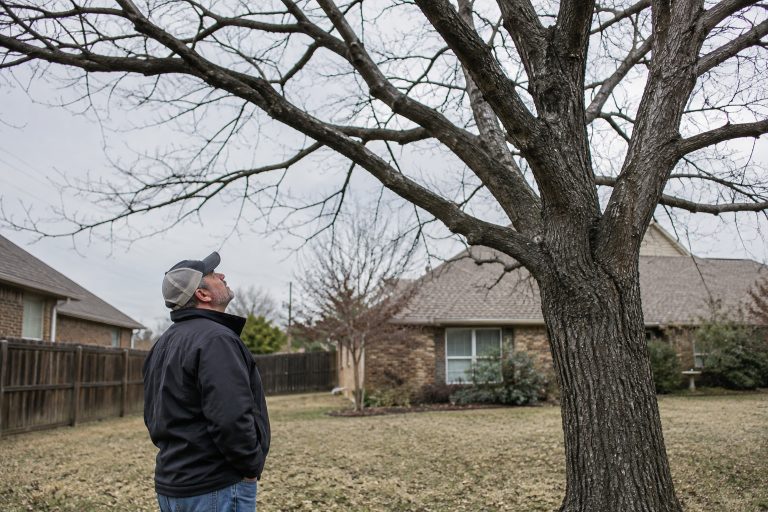
Healthy trees add shade, character, and curb appeal to Mesquite neighborhoods, but they also contend with hot summers, compacted urban soil, dry stretches, heavy rain, and occasional freezes. A seasonal routine makes it easier to notice changes before a branch failure or declining canopy creates a larger problem. When a concern is beyond a ground-level inspection, a qualified tree service Mesquite homeowners can rely on can assess the tree’s condition and the risks around homes, driveways, fences, and sidewalks.
This 2026 calendar is intended as a practical guide, not a rigid checklist. A mature oak, pecan, cedar elm, or crape myrtle may respond differently to weather and pruning, while newly planted trees usually need more consistent monitoring. Adjust the timing when Mesquite experiences unusual heat, extended drought, hard freezes, or saturated soil after storms.
Why a Seasonal Tree Care Plan Helps
Tree problems rarely begin with a dramatic event. Small cracks, thinning foliage, rubbing branches, poor drainage, and mulch piled against bark can develop gradually. Walking the property several times a year helps homeowners compare what they see now with the tree’s normal appearance. It also encourages better decisions after storms, when rushing to remove every damaged branch can create additional harm.
A calendar is especially useful in established Mesquite landscapes, where trees often share root space with turf, patios, driveways, and utility corridors. Roots need oxygen, moisture, and undisturbed soil. Construction activity, parked vehicles, repeated foot traffic, and changes in drainage can all affect a tree long before visible symptoms appear in the canopy.
Mesquite’s Seasonal Tree Care Calendar
Winter: Inspect Structure and Plan Ahead
When deciduous trees have dropped their leaves, their branch structure is easier to see. From the ground, look for dead limbs, split trunks, loose bark, crossing branches, and branches hanging over roofs, parking areas, or play spaces. Pay close attention to trees that lean, have multiple major stems meeting in a tight V shape, or show new cracks after wind or freezing weather.
Winter can be an appropriate time to plan structural pruning for many landscape trees, but avoid climbing, working from ladders, or cutting large limbs yourself. Texas weather can still bring sharp temperature changes, so follow local conditions and use guidance on protecting landscapes from frosts and freezes when cold weather threatens recently planted or otherwise vulnerable trees.
Early Spring: Check New Growth and Winter Damage
As buds open and leaves emerge, inspect for delayed leaf-out, broken twigs, exposed roots, or soil lifting around the base. A tree that shifts after rain, develops a new lean, or has raised soil on one side of the trunk needs prompt evaluation. Remove only small, clearly dead twigs that are reachable from the ground with clean hand tools.
Refresh mulch as needed, keeping it in a broad, even layer rather than a mound. Keep mulch away from the trunk so the root flare remains visible and bark does not stay constantly damp. Avoid heavy pruning simply because spring growth has begun. Large pruning cuts can create stress, and timing should reflect the species, condition, and purpose of the work.
Late Spring: Watch for Pests and Disease Symptoms
Inspect leaves, twigs, bark, and the ground beneath the canopy. Thinning foliage, unusual leaf spots, small exit holes, sawdust-like material, peeling bark, or branch dieback can indicate stress, insects, disease, or a combination of issues. One symptom does not provide a diagnosis. Drought, compacted soil, poor drainage, and root injury can produce similar warning signs.
Take clear photographs and write down when symptoms first appeared. This record is more useful than guessing at a treatment. Avoid broad pesticide applications unless the pest has been identified and the product is appropriate for that specific problem.
Summer: Manage Heat, Water, and Soil Stress
Mesquite summers can place significant demand on both young and established trees. During dry periods, water slowly enough to reach the root zone rather than wetting only the surface. Check the soil beneath the mulch before watering again, since clay-heavy soil can retain moisture longer than it appears to from the lawn above.
Focus irrigation on areas beneath and beyond the outer canopy rather than on trunks or foliage. Watch for leaf scorch, premature color change, sudden leaf drop, and wilting. These signs may reflect heat or water stress, but they can also point to root or pest problems. Keep vehicles and equipment away from the root zone whenever possible because soil compaction limits the space roots need for air and water.
Storm Season: Know the Red Flags
Thunderstorms can combine strong wind with saturated ground, making weak trees and limbs more vulnerable. Stay clear of hanging branches, partially fallen trees, hollow-looking trunk areas, uprooted roots, and trees that contact utility lines. Never attempt to cut a branch touching a power line, and do not use a chainsaw on a limb held under tension or suspended overhead.
Some storm-damaged trees can recover, while others need removal or corrective work. Texas A&M AgriLife’s information on evaluating whether storm-damaged trees can be saved reinforces the importance of the severity and location of damage. A cracked major limb over a roof deserves a different response than a small broken branch in an open part of the yard.
Fall: Prepare for Cooler Weather
Before cooler weather arrives, conduct another ground-level inspection. Review branches over sidewalks, driveways, roofs, and neighbor boundaries. Clear leaves from drains and low spots where they may block water flow, while leaving appropriate organic material in garden beds. Check mulch depth, identify trees that have declined through summer, and schedule evaluations for mature trees showing multiple warning signs.
What Homeowners Can Safely Do
- Walk around each tree and photograph changes from the ground.
- Water the root zone during dry conditions and monitor soil moisture.
- Maintain a flat mulch layer that does not touch the trunk.
- Remove only small, reachable dead twigs with clean hand tools.
- Keep people, pets, and vehicles away from storm-damaged trees.
When to Call a Tree Professional
Arrange a professional assessment when a tree has a noticeable lean, lifted roots, a split trunk, large cracked or hanging limbs, multiple declining symptoms, or storm damage requiring climbing, rigging, or chainsaw work. Call the utility provider instead when branches contact electrical lines. Professional help is also wise before pruning large limbs near a home, a street, a fence, or a neighboring property.
Keep a Simple Tree Care Record
Create one digital folder for each important tree or landscape area. Record species if known, location, approximate planting date, pruning history, watering changes, storm damage, pest observations, and seasonal photos taken from the same angle. These notes make gradual decline easier to recognize and give a tree professional useful context.
Common Mistakes to Avoid
- Removing too much living growth in one pruning session.
- Topping a tree to reduce its height.
- Watering lightly and frequently during extreme heat.
- Piling mulch against the trunk.
- Ignoring minor cracks, recurring deadwood, or changing soil conditions.
- Attempting hazardous storm cleanup without proper training and equipment.
Conclusion
A tree-care calendar gives Mesquite homeowners a dependable way to care for their valuable shade trees throughout the year. Regular inspections, sensible watering, restrained pruning, and prompt action in response to serious warning signs can protect both the landscape and the people who use it. Let each tree’s species, location, age, and response to local weather guide the next step.