
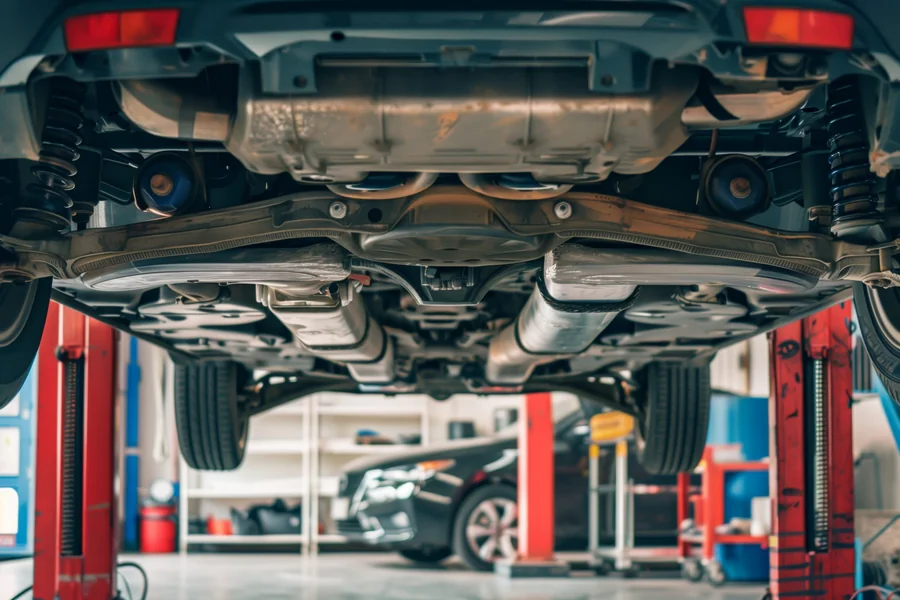

When most people think about vehicle maintenance, they picture washing, waxing, or changing the oil. Rarely do drivers consider the underside of their car—the chassis, which is the backbone of the vehicle. Yet, this part faces some of the harshest conditions on the road, from rain and mud to salt and gravel. This is where chassis coating comes in. It acts as a protective shield, guarding the car’s structural integrity, extending its lifespan, and ensuring safety. Understanding why chassis coating matters can save drivers time, money, and stress in the long run.
What is Chassis Coating?
A chassis coating is a specialized protective layer applied to a vehicle’s underbody. Its primary purpose is to protect metal surfaces from corrosion, rust, and wear caused by moisture, salt, dirt, and other environmental factors. Depending on the product, chassis coatings can be wax-based, rubberized, or polymer-based, and each type offers unique benefits.
The chassis is constantly exposed to abrasive forces: stones from the road, water and chemicals from rain and snow, and even air friction at high speeds. Without a protective coating, metal components can deteriorate over time, leading to weakened structural support, expensive repairs, and, in extreme cases, safety hazards.
Benefits of Chassis Coating
1. Protection Against Rust and Corrosion
Rust is one of the most common threats to a vehicle’s underbody. When metal comes into contact with water and oxygen, it oxidizes, forming rust. This process can quickly compromise the strength of the chassis, suspension mounts, brake lines, and other critical components.
A durable chassis coating forms a barrier that prevents water and oxygen from reaching the metal. In areas with frequent rain or road salt, such as coastal cities or winter regions, this layer is especially important. By keeping rust at bay, chassis coatings maintain the car’s structural integrity and prolong its lifespan.
2. Enhanced Durability Against Road Hazards
Driving over gravel, potholes, or unsealed roads can chip and scratch the underside of a car. Over time, these minor damages accumulate and can lead to corrosion or mechanical failure. Chassis coatings act like armor, absorbing impacts and resisting abrasions, ensuring the metal beneath remains intact.
For off-road vehicles or trucks that encounter rough terrain regularly, a robust chassis coating is practically a necessity. It protects both the chassis and suspension components, helping vehicles handle rough conditions without costly repairs.
3. Noise Reduction and Vibration Dampening
Some chassis coatings, particularly rubberized types, offer sound insulation and vibration dampening. This means a quieter, smoother ride for drivers and passengers. Small road vibrations are absorbed before they reach the cabin, making the vehicle feel more solid and refined.
While this benefit is often secondary to rust protection, it adds to the overall comfort and perception of quality in a well-maintained vehicle.
4. Cost Savings in the Long Run
While applying a chassis coating requires an upfront investment, it can save significant money over the vehicle’s life. Rust repairs, underbody welding, or suspension replacements are expensive. By preventing corrosion and wear, a chassis coating reduces the need for these major repairs.
Additionally, vehicles with a well-maintained chassis tend to retain higher resale value, as buyers are often wary of rust or structural damage in second-hand cars.
Types of Chassis Coating
There are several options available depending on the vehicle type and purpose:
- Wax-Based Coatings: These provide a protective layer that repels water and salts. They are easy to apply but may need reapplication every year or two.
- Rubberized Coatings: Commonly used for soundproofing and impact protection, they also resist stone chips effectively.
- Polymer-Based or Epoxy Coatings: These are the most durable options, offering long-lasting protection against corrosion, abrasion, and chemical exposure. Ideal for heavy-duty or off-road vehicles.
- Ceramic Coatings: A newer technology, ceramic coatings form an ultra-thin but strong layer that is highly resistant to chemical and environmental damage.
Choosing the right coating depends on vehicle usage, climate, and desired longevity.
When to Apply Chassis Coating
Timing can make a significant difference in effectiveness. Ideally, chassis coatings should be applied:
- On a new vehicle: Protecting the underbody from the start prevents early signs of rust and damage.
- After repairs: If parts of the underbody have been replaced or repaired, a fresh coating ensures uniform protection.
- Before winter or rainy seasons: Extra protection against salt, water, and mud reduces corrosion risks.
- For older vehicles: Even older cars benefit from chassis coatings, although preparation (like rust removal and cleaning) is necessary for optimal adhesion.
Regular inspection is also important. Over time, coatings can wear off, particularly in high-impact areas like wheel arches or suspension mounts. Reapplication ensures continuous protection.
Professional vs. DIY Application
Chassis coatings can be applied at home or by professionals. DIY kits are convenient and cost-effective, but they require careful cleaning, preparation, and application for the coating to stick properly.
Professional services, on the other hand, offer:
- Proper surface preparation and rust removal
- Uniform application using spray systems
- Access to industrial-grade coatings that last longer than DIY options
For vehicles exposed to extreme conditions, professional application is usually recommended to ensure maximum effectiveness.
Chassis Coating in Melbourne: A Local Perspective
For car owners in Melbourne, a reliable chassis coating in Melbourne is particularly valuable. The city experiences frequent rain, coastal humidity, and occasional road salt during winter, all of which accelerate corrosion. Additionally, Melbourne’s mix of urban streets and unpaved suburban roads increases wear on the underbody. Investing in a high-quality chassis coating ensures that vehicles remain structurally sound and resilient against local road conditions.
Conclusion
Your vehicle’s chassis is more than just metal—it’s the foundation that keeps every component secure and safe. Exposing it to harsh conditions without protection is like leaving your home without a roof. Chassis coating acts as that protective roof, shielding against rust, corrosion, and road damage, while also reducing noise and enhancing durability.
Whether you drive a city car, a family SUV, or a rugged off-road truck, applying a chassis coating is a smart investment. It protects your car, saves money in the long run, and ensures that every ride is safe and reliable. For drivers in areas like Melbourne, where environmental conditions are challenging, a robust chassis coating isn’t just a luxury—it’s essential.
Shield your ride today and enjoy peace of mind knowing your car’s foundation is protected for years to come.