Resin Bound Driveways: What the Brochure Doesn’t Say About Drainage and Base

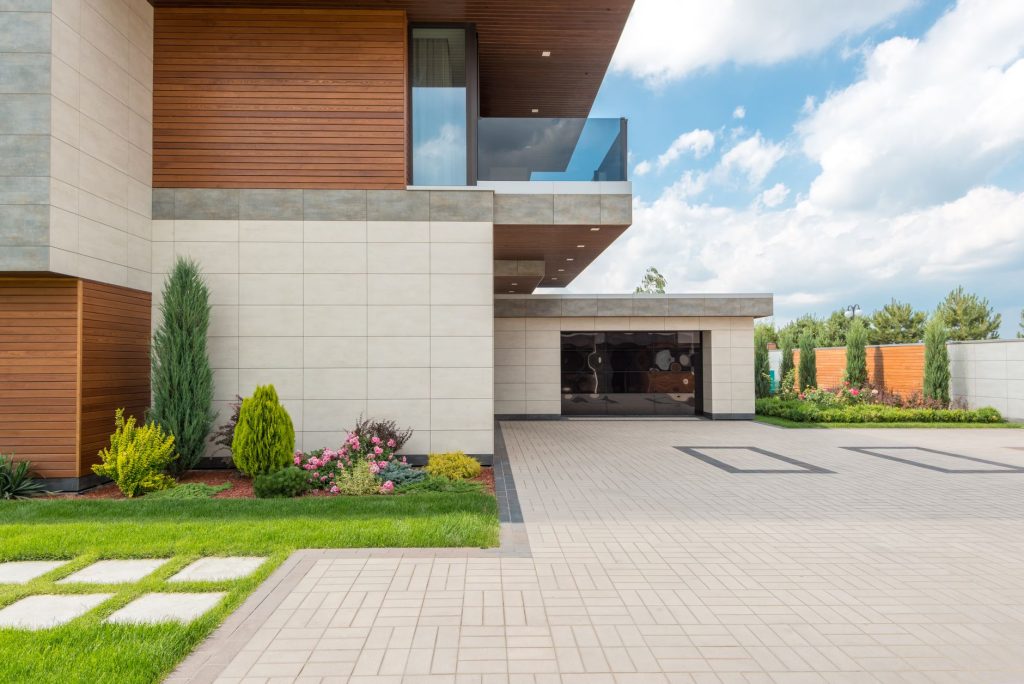
Resin bound driveways photograph beautifully: a smooth, seamless surface of natural stone with no loose chippings to kick across the lawn. It’s the finish everyone on the street asks about. What gets talked about less is that the look is only as good as the construction beneath it. If you’re considering a resin bound driveway installation in Alfreton, a few questions about the base and the drainage will tell you more about a quote than any colour sample.
Bound, not bonded
Resin bound surfacing mixes natural aggregate with a clear resin and trowels it onto a prepared base, so the stones are held in place throughout the layer. That’s different from resin bonded, where loose stone is scattered over a layer of resin. Bound gives the smooth, permeable finish most people want. Mix the two terms up when comparing quotes and you can end up with something quite different from what you pictured.
The permeable base is what counts
Resin bound is often described as SuDS-compliant, meaning rainwater drains through it instead of running into the road. That’s true of the surface, but the water still has to go somewhere. The Royal Horticultural Society’s front-garden advice sets out the rule plainly: a new or replaced hard surface at the front of a house must either be permeable or send its run-off to a permeable area. A resin layer on top of an impermeable base doesn’t do that job. So ask what the sub-base is made of, and where the water ends up.
Cost and lifespan
The Federation of Master Builders describes resin as mid-to-premium on price, usually costing more than tarmac depending on the stone and finish. It also says a resin bound driveway can last over 25 years. That second point is the real case for paying more up front, but it only holds if the base is right and the resin is laid properly. The cheap quote that skips groundwork tends to be the expensive one in the long run.
It’s fussy about the weather
Resin needs dry conditions to cure properly, and damp or very cold days can spoil the finish. A good installer watches the forecast and is willing to postpone. If someone is happy to lay in a downpour to keep to their schedule, that tells you something about how they work.
Choosing a colour
Aggregates come in plenty of shades, from pale quartz to warm golds and darker natural stone blends. Look at samples outdoors in daylight, and wet as well as dry, because stone looks different once it rains. Think about the house, too. A bright blend can look wonderful against brick, while something more muted often suits render or stone.
Day-to-day care
Resin bound is low-maintenance rather than no-maintenance. With no joints for weeds to grow in, it stays tidy, though seeds can still sprout in dirt that builds up on the surface. A regular sweep and an occasional wash with a hose or soft brush is usually enough. Avoid harsh chemicals, take care with sharp tools, and clear wet leaves before they leave marks.
Questions worth asking
Ask what the sub-base is and whether it’s permeable. Ask who will do the laying, which resin system is used and how long the job should take. Check you’re being quoted resin bound and not bonded, and ask what happens if the weather doesn’t cooperate. Then ask to see a driveway that’s been down for a few years.
Vanguard Driveways in Chesterfield carries out resin work around Alfreton and offers free, no-obligation quotes. Whoever you hire, make sure the conversation goes below the surface.