
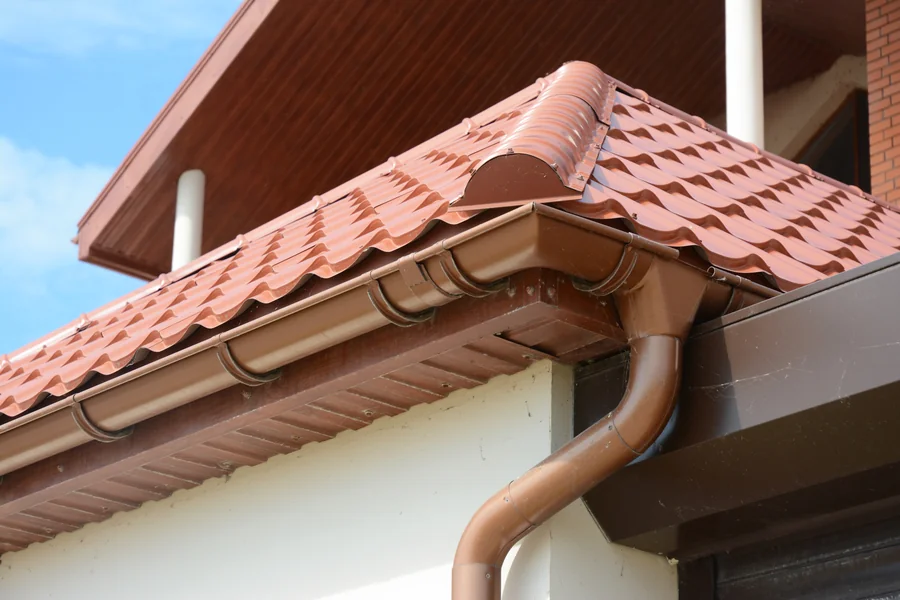

Heavy Alabama rain can expose small gutter mistakes in a hurry. Good drainage depends on pitch, outlet size, fastener spacing, metal strength, and how each section connects to the roof edge. Professional gutter installation in Cullman AL brings those details together so water moves away from the home instead of collecting where it can cause damage.
Precise 1/4-Inch per 10-Foot Pitch Ensures Rapid Water Evacuation
Proper slope helps water travel toward the downspout instead of sitting inside the trough after a storm. A pitch near 1/4 inch across a 10-foot run may work for certain installations, although the exact setup depends on gutter length, outlet location, roof area, and manufacturer guidance.
Accurate measurements matter because too little slope encourages standing water, while excessive tilt can make the gutter look crooked along the fascia. Experienced roof contractors in Cullman AL set the fall carefully and test drainage before considering the run finished.
Correct Drip Edge Overlapping Forces Roof Runoff into the Trough
Drip edge helps guide water off the roof edge and away from vulnerable wood. Proper coordination between the roofing edge and gutter position keeps runoff moving into the trough instead of slipping between the gutter and fascia.
Poor alignment can leave dark stains, peeling paint, or softened wood behind an otherwise good-looking gutter. A Cullman roofer can inspect this transition before installation so new drainage work does not cover an existing roof-edge problem.
Upgrading to 3×4-Inch Oversized Downspouts Prevents Heavy Rain Clogs
Larger 3-by-4-inch downspouts provide more room for water, leaves, and small debris to move out of the gutter. Extra outlet capacity can be useful on broad roof sections or valleys that send a strong rush of runoff toward one corner during storms.
Bigger openings also reduce narrow choke points where debris tends to collect. Homeowners searching for gutter installation near me should ask whether downspout size matches the roof area rather than assuming the same outlet works on every house.
Hidden Heavy-duty Fascia Brackets Spaced at 24 Inches Stop Sagging
Strong hangers keep gutters tight against the fascia while supporting the weight of rainwater and wet debris. Spacing around 24 inches may provide solid support for many systems, though local conditions, gutter type, and product requirements can change the recommended distance.
Secure fastening becomes especially important along long runs where weak support may allow the middle to sag. Skilled roof contractors know that a low spot can trap water, strain joints, and slowly pull the system farther out of alignment.
Custom-extruded Seamless Aluminum Eliminates Mid-run Leak Points
Seamless aluminum gutters are formed on site to fit long roof edges with fewer joints. Removing unnecessary mid-run seams reduces common places where old sealant can crack, separate, or begin dripping after years of movement.
Continuous sections also create a cleaner appearance across the fascia. People comparing roof companies near me may find seamless systems useful on homes with long, straight eaves where standard sectional gutters would require several connections.
.032-Gauge Aluminum Resists Warping Under Heavy Cullman Storm Loads
Thicker aluminum can provide added stiffness against bending, ladder contact, debris weight, and demanding weather. A .032-gauge product is commonly considered a heavier residential gutter option and may hold its shape better than thinner material under tough conditions.
Material thickness still works together with hanger spacing, installation quality, and overall system design. Property owners searching for roofing near me should look beyond metal gauge alone and ask how the full assembly will handle water volume and seasonal weather.
Custom Hand-cut Miters Sealed with High-grade Structural Silicone
Corners need careful workmanship because two gutter runs meet at a point that receives constant water flow. Hand-cut miters allow installers to fit each angle closely, helping reduce wide gaps and awkward overlaps that depend too heavily on sealant.
Quality sealant then helps close the joint while allowing for normal movement as metal heats and cools. Careful roof contractors prepare clean surfaces before sealing because dirt, moisture, and loose material can shorten the life of the connection.
Flared Downspout Extensions Route Water Six Feet past the Foundation
Downspouts only solve part of the drainage problem if they empty directly beside the house. Extensions that carry runoff several feet away can reduce the amount of water soaking the soil beside foundation walls, basement areas, and crawlspaces.
Flared ends can spread discharge across a wider patch of ground instead of blasting one small area. Yellow Hammer Roofing can evaluate roof runoff, fascia condition, gutter sizing, outlet placement, and downspout discharge around Cullman homes, helping homeowners build a drainage system that moves stormwater away from vulnerable areas instead of simply moving it off the roof.