How to Build a Car Maintenance Plan That Fits Your Driving in Lake Oswego, Oregon

By Mohammad Manir in Automotive
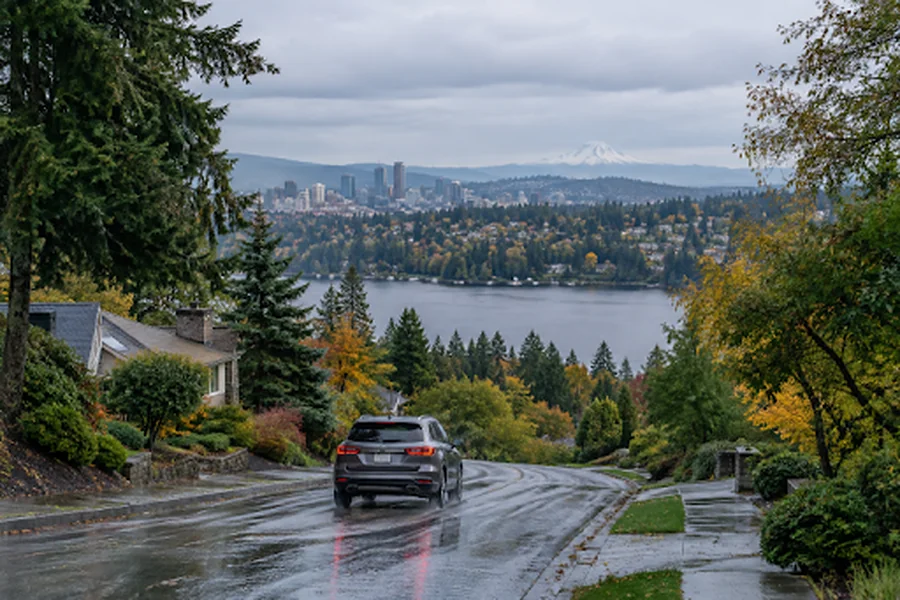
Lake Oswego drivers face a mix of short neighborhood trips, stop-and-go travel toward Portland, wet-weather commutes, and hilly routes that can affect how a vehicle wears over time. For practical help with inspections, diagnostics, and routine care, auto repair Lake Oswego OR from Dan’s Auto Center is a local resource for drivers who want a maintenance plan based on their actual vehicle and driving habits. Established in 1989, Dan’s Auto Center serves Lake Oswego, Portland, Beaverton, Tualatin, Tigard, West Linn, Wilsonville, and nearby communities with ASE-certified Master Technicians, scheduled maintenance, brake service, tire concerns, suspension work, and diagnostics for domestic vehicles and Japanese imports.
A useful maintenance plan is not simply an oil-change reminder. It is a written routine that combines your owner’s manual, the vehicle’s age and mileage, and the conditions it experiences every week. Building one can make upcoming service easier to anticipate and help you respond before a minor concern becomes a more disruptive repair.
Why One Fixed Schedule Does Not Fit Every Driver
Two vehicles can show the same mileage while needing different levels of attention. A car that covers 12,000 highway miles may spend long periods at normal operating temperature. Another car driven mostly on short Lake Oswego errands may start cold repeatedly, idle in traffic, and use its brakes more often. Towing, steep grades, gravel roads, dusty conditions, and extended storage can also change what deserves closer inspection.
Many manufacturers identify these situations as severe or special operating conditions. Toyota, for example, notes that frequent short trips, trailer towing, and rough or mountainous roads may require more frequent maintenance than ordinary use. Its guidance on demanding driving conditions reinforces why the owner’s manual should come before generic mileage advice.
Start With the Owner’s Manual
Your owner’s manual is the foundation of the plan. Find the maintenance section and identify what is due by mileage, what is due by time, and whether your vehicle has a separate schedule for severe use. A low-mileage vehicle may still need age-based inspections or fluid service, while a frequently driven vehicle may reach mileage milestones sooner than expected.
- Check the service due at your current odometer reading.
- Look for items based on months or years, not just miles.
- Confirm whether hybrid, diesel, turbocharged, all-wheel-drive, or towing use changes the schedule.
- Separate inspection items from parts or fluids that require replacement.
Drivers hoping to keep a vehicle for many years can also review long-term vehicle maintenance milestones to understand why consistent manufacturer-recommended service matters beyond the warranty period.
Build a Maintenance Calendar in 15 Minutes
Start by writing down the current mileage, then gather recent invoices, dealership records, and any notes from prior inspections. Record the date and mileage of the last oil service, tire rotation, brake inspection, battery test, and recommended fluid work. Next, compare that list with the factory schedule and mark items as completed, due soon, or overdue.
- Enter the current date and odometer reading.
- List recent work and keep copies of invoices.
- Check the next factory service interval.
- Add reminders by both calendar date and mileage.
- Review the plan every three to six months.
A phone app, spreadsheet, cloud document, or glove-box notebook can work well. This simple format keeps the important details in one place:
| Service | Date | Mileage | Cost | Next Due |
| Oil and filter | March 2026 | 48,200 | $ | Manual interval |
| Tire rotation | March 2026 | 48,200 | $ | Manual interval |
| Brake inspection | March 2026 | 48,200 | $ | Next service visit |
Routine Services Worth Tracking
Exact intervals vary, but several systems deserve consistent attention. Engine oil and its filter reduce friction and carry contaminants away from internal components. Tire pressure, tread condition, rotation, and alignment affect traction, handling, and wear. Brake inspections can reveal worn pads, rotor concerns, leaks, or uneven braking before symptoms become more obvious.
Also keep an eye on coolant, brake fluid, transmission fluid, power steering fluid where applicable, and washer fluid. Air filters support engine airflow, while cabin filters affect the air moving through the ventilation system. Battery testing, belt and hose inspections, and checks for leaks or corrosion are especially useful as a vehicle ages.
How Lake Oswego Driving Conditions Can Change the Plan
Rainy conditions, temperature changes, short commutes, school drop-offs, and congestion around Lake Oswego and greater Portland can put different demands on a vehicle than steady highway travel. Frequent braking may reveal brake wear sooner, repeated low-speed trips may be harder on some systems, and wet roads make tire condition particularly important. Hills around West Linn, Tigard, and nearby routes can add braking and drivetrain demand.
The goal is not to approve unnecessary work. Describe your normal driving honestly at each service visit so a technician can tailor inspections to your use.
Warning Signs That Should Not Wait
- A warning light that stays on or flashes.
- Grinding, squealing, knocking, humming, or clicking noises.
- Vibration in the steering wheel, seat, or brake pedal.
- Pulling while driving or braking.
- Fluid spots, overheating, burning smells, or reduced power.
- Slow cranking, repeated jump-starts, or changes in shifting.
A flashing warning light, overheating condition, weak brakes, severe steering issue, or major fluid leak may require stopping the vehicle and arranging professional help rather than continuing to drive.
Prioritize Repairs When Money Is Tight
Use three categories when reviewing an estimate. Put safety first, including brakes, tires, steering, suspension, lights, and serious leaks. Address reliability next, such as a weak battery, cooling-system concern, failing belt or hose, charging problem, or overdue factory service. Comfort and convenience items, including cosmetic work and nonessential upgrades, can usually wait.
Ask for a written estimate, the reason the work is recommended, the urgency level, and what could happen if it is delayed. A clear answer helps you make a decision without guessing.
Choose a Shop and Ask Better Questions
Look for trained technicians, modern diagnostic equipment, clear inspection findings, written estimates, organized records, and experience with your vehicle’s drivetrain. At the next visit, ask what is urgent, what can wait, whether a recommendation is based on wear or the manufacturer’s schedule, and what should be planned before your next long trip.
A maintenance plan does not need to be complicated. Keep the owner’s manual close, update your records, account for local driving conditions, and respond promptly to meaningful changes. Those habits can make everyday transportation in Lake Oswego more dependable and make repair decisions less rushed.