
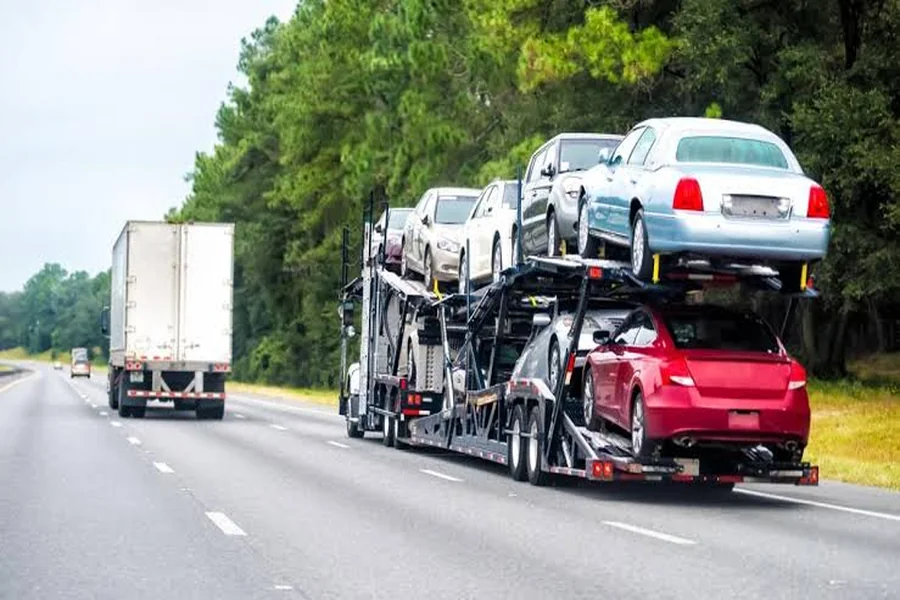

Introduction: Why Location Matters When Shipping a Car
When planning to transport a vehicle across the state or across the country, most people focus heavily on distance, vehicle make, and overall pricing. However, one key detail that fundamentally dictates the logistics, timeline, and execution of your transport is location. Where your vehicle begins its journey and where it ends up plays a massive role in how a carrier plans its route.
Shipping a car is not quite the same as shipping a small parcel via standard mail delivery. Auto transport carriers utilize large, heavy-duty trucks that require careful maneuvering, sufficient turning radii, and direct access to efficient transit corridors. As a result, the geographic and physical characteristics of your pickup and delivery points heavily influence the overall shipping process.
Differences between urban and rural environments significantly impact transport logistics in several key ways:
- Major Highways and Transportation Corridors: Urban hubs sit along or near interstates, whereas rural locations may sit miles away from primary trucking routes.
- Local Road Accessibility: City streets often feature tight corners, overhead power lines, and parking restrictions, while rural areas may present unpaved roads, narrow lanes, low-hanging trees, or steep inclines.
- Carrier Availability: Densely populated city centers see higher carrier volume, while sparsely populated rural areas host fewer passing auto transports.
- Traffic and Congestion: Urban centers face heavy gridlock and delivery time limits, whereas rural transit generally avoids city congestion but demands extra driving time over open land.
- Distance from Major Cities: The farther an address is from a major metropolitan hub, the more off-route travel a driver must undertake.
It is common for customers to worry that living in a remote rural area will automatically make car shipping astronomically expensive or painstakingly slow. Conversely, urban residents often assume city pickup will always be seamless and instantaneous. In reality, location is simply one of several interconnected factors evaluated when arranging vehicle transport. Understanding how location affects your shipment helps you prepare effectively and ensures a smooth, stress-free transport experience.
How Urban and Rural Car Shipping Differ
Every pickup and delivery location brings a unique set of logistical conditions. While no two addresses are identical, comparing the typical characteristics of urban and rural locations highlights why transport providers approach them differently.
Urban Locations
Urban shipping points are characterized by high population density, structured infrastructure, and proximity to major commercial freight lanes.
- Greater Highway Access: Cities are built along major interstates, allowing car carriers to transition quickly from long-distance highway driving to local streets.
- Frequent Routes and High Carrier Volume: Because many vehicles move into and out of cities daily, carriers frequently travel these lanes, creating higher scheduling availability.
- Traffic and Congestion: Dense traffic, construction zones, rush-hour delays, and frequent traffic signals can slow down a carrier’s timeline once off the highway.
- Commercial Truck Restrictions: City ordinances frequently restrict large multi-car carriers (which can extend up to 80 feet in length) from driving through tight residential neighborhoods or stopping in busy traffic lanes.
Rural Locations
Rural shipping points offer wide-open spaces, but they often lack direct access to major commercial trucking infrastructure.
- Fewer Direct Carrier Routes: Auto carriers plan their routes to keep multi-car trailers full. Rural areas see fewer total shipments, meaning fewer carriers travel through them on a daily basis.
- Greater Distance from Highways: Reaching a rural residence often requires a transport truck to detach from a main interstate corridor and drive miles out of its way.
- Challenging Road Conditions: Rural transport often involves narrow lanes, unpaved or gravel roads, sharp winding turns, low-clearance bridges, or unmaintained dirt driveways.
- Alternative Pickup Points: Due to physical access limitations, rural shipments more frequently require designating a nearby open space for loading and unloading.
It is important to clarify that a rural location does not automatically mean your shipment will be difficult or excessively expensive. Many rural locations situated near minor highways or open roads are straightforward for carriers to access. Logistics providers weigh specific road conditions and route proximity rather than relying on population numbers alone.
How Location Affects Car Shipping Costs
Auto transport pricing is built around carrier efficiency, mileage, fuel consumption, and time. Because location dictates how much effort and extra travel a carrier must invest to reach your vehicle, it directly influences your final shipping quote.
Key location-based cost factors include:
- Distance from Major Highways: Drivers calculate the time and fuel required to detour off primary freight lanes to reach an address.
- Carrier Route Availability: Popular lanes with high demand keep shipping prices competitive; off-peak or isolated routes require carriers to charge more to cover the opportunity cost of moving off main tracks.
- Additional Mileage Required: Mileage added specifically to collect or drop off a single vehicle adds directly to fuel and driver hours.
- Accessibility of the Address: Locations that force a driver to navigate complex routes or spend extra time maneuvering can adjust the overall price quote.
- Market Demand and Regional Supply: High carrier competition in a region drives costs down, while limited carrier capacity in remote areas can push quotes up.
This explains why two customers shipping identical vehicles over similar total mileage may receive different quotes. For example, shipping a midsize sedan 500 miles between two major metropolitan areas (e.g., Atlanta to Charlotte) relies on a high-volume corridor with dozens of active carriers daily. Shipping that same vehicle 500 miles from a small, isolated mountain town to another remote community requires custom route planning and dedicated detour miles, raising operational costs for the driver.
Ultimately, location is just one piece of the pricing puzzle—working alongside seasonal demand, vehicle size, operational status (operable vs. non-operable), and transport type (open vs. enclosed).
Does Rural Car Shipping Cost More?
Under certain circumstances, rural vehicle shipments can carry a higher price point than urban shipments. When a carrier must drive 30 to 50 miles off a main interstate corridor to pick up a single vehicle, that detour burns extra fuel and consumes precious driver operating hours regulated by federal law. Furthermore, because fewer carriers service remote routes, finding an available truck heading in that specific direction takes additional coordination.
However, professional auto transport providers do not impose arbitrary or fixed “rural surcharges.” Instead, pricing adjustments reflect real, practical logistics: actual extra mileage, route geometry, carrier availability, and local road conditions. If a rural location sits right next to a well-traveled state highway, the cost difference compared to an urban location may be minimal or non-existent.
Can Urban Locations Also Increase Shipping Costs?
While people often associate higher transport costs with remote areas, urban locations can also introduce operational challenges that impact pricing.
Heavy city traffic, dense gridlock, and frequent stop-and-go driving increase fuel consumption and risk delays for large carriers. Additionally, narrow downtown streets, strict double-parking bans, low overhead utility lines, and local bans on large commercial vehicles often prevent a standard 8-car or 10-car trailer from approaching a city address. When a carrier must navigate tough city logistics or spend extended time finding safe staging areas, those operational factors are factored into the transport service quote.
How Road Accessibility Affects Vehicle Pickup and Delivery
The physical size of an auto transport carrier is the primary reason address accessibility matters so much. Fully loaded multi-car carriers can stretch up to 80 feet in length, weigh up to 80,000 pounds, and require substantial overhead and side clearance. Consequently, a standard residential address—whether urban or rural—may not always accommodate a vehicle transport rig safely.
Common physical obstacles that affect carrier access include:
- Narrow Streets & Tight Corners: Residential neighborhood roads lined with parked cars or sharp 90-degree turns that a large rig cannot make.
- Low-Clearance Bridges & Overpasses: Older bridges or low overhead structures that cannot accommodate a 13-foot-6-inch tall auto carrier.
- Low-Hanging Trees & Power Lines: Overhanging branches or low wires that risk scratching vehicle roofs or snagging the carrier.
- Steep Incline or Unpaved Roads: Steep mountain grades, loose gravel, or mud roads that present safety hazards for heavy trucks.
- Dead-Ends and Cul-de-Sacs: Neighborhood streets without adequate space for an 80-foot truck to turn around.
- Commercial Vehicle Restrictions: Local municipal rules or HOA regulations that prohibit heavy commercial vehicles on residential streets.
When a carrier evaluates an address, safety and vehicle protection always take precedence over forcing a truck into an unsuitable neighborhood. Driving a carrier into a tight cul-de-sac or down an unpaved, narrow lane can damage customer vehicles on the trailer, damage the driver’s equipment, or lead to the truck getting stuck.
What Happens If a Carrier Cannot Reach Your Address?
If physical barriers or local laws prevent a car carrier from reaching your specific residential address, transport providers do not cancel the order or leave you stranded. Instead, the driver and customer coordinate a mutually convenient, accessible meeting point nearby.
Common alternative meeting locations include:
- Large retail or grocery store parking lots (e.g., Walmart or home improvement centers)
- Shopping centers or commercial plazas with wide driving lanes
- Commuter park-and-ride lots
- Wide, accessible shoulder areas along major state highways or county roads
- Nearby industrial parks or truck stops
To ensure a seamless experience, customers should assess their surrounding roads and discuss any accessibility concerns with their transport coordinator well before pickup day. Providing accurate address information and details about neighborhood street conditions when requesting a quote allows the transport provider to plan safe loading options in advance.
Door-to-Door Car Shipping in Rural and Urban Areas
“Door-to-door car shipping” is the industry standard for auto transport, but the term is occasionally misunderstood.
Key Takeaway: Door-to-door car shipping means the transport carrier will pick up and deliver your vehicle as close to your specified residential or business address as safely, legally, and practically possible. It does not guarantee that an 80-foot auto trailer can pull directly into every driveway or onto every residential street.
Whether in a bustling city center or a remote countryside home, actual doorstep loading depends on:
- Road Conditions: Street width, surface material, and overhead clearance.
- Carrier Size: Whether your vehicle is traveling on a large 10-car open carrier or a smaller 2-car flatbed/enclosed trailer.
- Local Restrictions: City commercial vehicle bans, parking limits, or gated community rules.
- Safety Requirements: Ensuring a flat, clear space to lower loading ramps and safely drive vehicles on and off the trailer.
The overarching goal of door-to-door service is convenience without sacrificing safety. When an exact doorstep approach poses a risk to your vehicle or the truck, PreOwned Auto Logistics (PAL) helps customers select a safe, nearby pickup or drop-off point. PAL coordinates between customers and carriers to ensure meeting locations are convenient, well-lit, and easy to reach for both parties.
Rural vs. Urban Delivery: Which Is Faster?
A common assumption among car shipping customers is that urban deliveries are always fast and rural deliveries are always slow. In reality, total transit time depends on a wide mix of logistical variables that go far beyond simple population density.
Factors that influence transit and delivery time include:
- Total Driving Distance & Route Corridor: Long cross-country runs inherently take more time than regional routes regardless of city size.
- Carrier Route Density and Availability: Popular lanes between major hubs fill up fast and move quickly, whereas custom routes require scheduling alignment.
- Pickup Windows and Logistics Coordination: Scheduling the exact day and time a truck arrives relies on the carrier’s full multi-car route schedule.
- Weather and Seasonal Road Conditions: Winter snowstorms, flooding, or severe heat can slow down transit through both mountain passes and metro highways.
- Traffic Congestion: Metropolitan traffic bottlenecks, construction delays, and city rush hours can easily add hours to a driver’s daily journey.
| Shipping Factor | Urban Locations | Rural Locations |
| Carrier Fleet Activity | Very High; daily trucks along main highways | Moderate to Low; depends on regional demand |
| Route Scheduling Flexibility | High frequency of departure options | May require wider pickup date flexibility |
| Local Driving Delays | Heavy traffic, gridlock, traffic lights | Distance detours, unpaved or winding roads |
| Address Accessibility | Restricted by parking, low wires, city rules | Restricted by narrow lanes, trees, dirt roads |
| Alternative Meeting Points | Shopping plazas, wide commercial streets | Highway truck stops, commuter parking lots |
While rural shipments may occasionally require additional coordination time to align a carrier traveling in that specific direction, urban shipments frequently run into localized delays caused by city gridlock and strict delivery windows. Reputable auto transport providers avoid promising fixed, down-to-the-minute delivery times; instead, they provide realistic delivery windows based on live route conditions and carrier logistics.
How Location Affects Carrier Availability
Auto carriers design their transit schedules around major transportation corridors (such as I-95, I-10, or I-80) to maximize fuel efficiency and keep multi-vehicle trailers fully loaded. This operational model creates a clear distinction in carrier availability between regional hubs and remote locations.
High-Volume Urban Routes: Metropolitan areas located along major interstate highways experience high carrier density. Because dozens of trucks travel these lanes daily, scheduling a vehicle pickup in an urban corridor often offers greater date flexibility and shorter lead times.
Less-Frequent Rural Routes: When a pickup or delivery address sits far outside a major transport corridor, fewer carriers routinely pass by. Securing a carrier for a remote location requires finding a driver whose schedule permits an out-of-the-way detour, or waiting for a carrier specifically building a load for that region.
For customers shipping to or from less-traveled rural areas, flexibility around pickup and delivery dates is exceptionally helpful. Providing a 2-to-3-day window for pickup allows dispatchers to match your vehicle with an experienced carrier servicing that region without unnecessary delay. Working with an experienced auto transport provider ensures that no matter where your vehicle is located, professional route planners can coordinate safe, efficient transport options.
How to Prepare for Car Shipping From a Rural Location
Shipping a vehicle from a countryside home or remote property is straightforward when you take a few proactive preparation steps before the carrier arrives.
- Confirm the Exact Address Early: Verify the physical address with your transport coordinator during the quote phase, highlighting any rural route numbers or location nuances.
- Evaluate Carrier Access: Check the roads leading to your property for narrow lanes, unpaved gravel paths, steep inclines, or low-hanging tree branches.
- Identify Alternative Meeting Locations: Locate a nearby wide main road, gas station, or large retail parking lot in case the transport truck cannot safely enter your street.
- Clean Out Personal Belongings: Remove all personal items, loose goods, and non-permanent accessories from inside the vehicle to comply with weight limits and carrier safety guidelines.
- Prepare the Vehicle: Ensure the car is in good working condition, verify tire pressure, check battery charge, keep the fuel tank at roughly 1/4 full, and document any existing minor cosmetic wear.
- Maintain Availability During the Pickup Window: Keep your phone nearby and maintain open communication with the driver on pickup day.
- Share Property Access Details in Advance: Inform your transport provider if your property has entry gates, cattle guards, or tight turnarounds so the driver can plan accordingly.
How to Prepare for Car Shipping From an Urban Location
Urban vehicle transport requires proactive planning to navigate traffic restrictions, tight parking lanes, and dense city environments smoothly.
- Check Local Parking and Loading Rules: Determine if your city or neighborhood restricts large commercial vehicles or enforces strict loading zone time limits.
- Assess Street Navigation: Look out for narrow one-way streets, low-hanging utility wires, double-parked vehicles, or tight street corners.
- Account for Traffic Patterns: Coordinate with your transport provider to schedule pickup or delivery outside of peak morning and evening rush hours to avoid city gridlock.
- Identify an Open Backup Staging Spot: Pinpoint a nearby commercial parking lot, wide avenue, or shopping center where a large multi-car carrier can safely park and lower its loading ramps.
- Prepare Your Vehicle for Loading: Remove personal items, clean the exterior for easy inspection, keep fuel levels low (around 1/4 tank), and confirm the vehicle starts reliably.
- Provide Building or Neighborhood Access Details: Communicate gate codes, security guard check-in steps, or garage entry rules to your shipping coordinator prior to driver arrival.
Rural vs. Urban Car Shipping Checklist
Use this practical checklist at each stage of your transport process to ensure a hassle-free experience regardless of your location.
Before Booking
- [ ] Provide full, accurate pickup and delivery addresses (including ZIP codes).
- [ ] Ask your transport coordinator about carrier accessibility for your specific street.
- [ ] Confirm whether direct doorstep service is practical or if an alternative meeting point is recommended.
- [ ] Discuss potential meeting locations nearby (parking lots, plazas, truck stops).
- [ ] Request a transparent, customized quote based on complete, accurate shipment details.
Before Pickup
- [ ] Clean the vehicle exterior and complete a detailed inspection with photos of current conditions.
- [ ] Remove all personal belongings, toll tags, and loose accessories from the car.
- [ ] Prepare keys and necessary vehicle documentation (title/registration copies if required).
- [ ] Confirm final pickup instructions and estimated driver arrival windows.
- [ ] Ensure the designated pickup location or backup meeting point is clear and accessible.
At Delivery
- [ ] Inspect the vehicle thoroughly alongside the driver upon delivery.
- [ ] Compare the vehicle’s delivery condition against the initial Bill of Lading (BOL) inspection report.
- [ ] Confirm accessibility at the delivery site ahead of time so the driver can unload safely.
- [ ] Sign off on the delivery paperwork and retain copies of all documentation for your records.
Common Mistakes When Shipping a Car From a Rural or Urban Area
Avoiding common location-based oversights can save you time, stress, and unnecessary expense during the shipping process.
- Assuming Every Address Qualifies for Exact Doorstep Pickup: Expecting an 80-foot carrier to navigate narrow dirt roads or dense downtown alleyways without prior site evaluation.
- Providing Incomplete or Inaccurate Address Details: Giving approximate addresses, incorrect ZIP codes, or leaving out crucial directional notes.
- Failing to Disclose Physical Obstacles: Omitting details about low bridges, unpaved gravel, steep driveways, security gates, or low-hanging power lines.
- Waiting Until Pickup Day to Raise Accessibility Issues: Informing the driver about narrow roads or parking restrictions only when the carrier arrives in the area.
- Selecting a Shipping Provider Based Solely on the Lowest Price: Falling for unrealistic low-ball quotes from brokers who fail to account for rural detour miles or city transit logistics.
- Assuming Rural Shipments Are Always Overpriced: Believing that living outside a major city automatically doubles your transport costs.
- Assuming Urban Shipments Are Always Faster: Overlooking city gridlock, parking rules, and loading restrictions that can cause unexpected local delays.
- Rigid Scheduling Without Flexibility: Refusing to allow a reasonable pickup/delivery window in areas with lower carrier route density.
- Not Discussing Alternative Meeting Locations in Advance: Lacking a backup staging spot if the carrier cannot enter your neighborhood safely.
How PreOwned Auto Logistics Helps Navigate Location Challenges
Managing the unique demands of both rural and urban car shipping requires practical experience, clear communication, and tailored route planning. PreOwned Auto Logistics (PAL) specializes in coordinating vehicle shipments across diverse geographic settings, prioritizing vehicle safety and customer convenience every step of the way.
Rather than applying rigid, one-size-fits-all solutions, PAL evaluates the exact details of your pickup and delivery locations before booking. During the initial quote and consultation process, PAL’s team reviews route accessibility, carrier availability, and physical street conditions to establish a smooth, reliable transport strategy.
When an address presents physical challenges—such as low downtown power lines or unpaved rural mountain roads—PAL coordinates accessible meeting points nearby, eliminating unexpected surprises on pickup day. By focusing on smart logistics coordination, clear driver communication, and transparent planning, PAL ensures your vehicle arrives safely and on schedule, regardless of where your shipment begins or ends.
Frequently Asked Questions About Rural and Urban Car Shipping
Is rural car shipping more expensive than urban car shipping?
Not always. While rural shipments can sometimes cost more if a carrier has to travel significant extra miles off a major interstate highway, pricing ultimately depends on the complete shipment profile. Factors like overall route distance, vehicle size, carrier availability, and road accessibility play equal roles in determining the final quote.
Can a car carrier deliver directly to a rural home?
Yes, provided the road leading to the property is wide enough, paved or structurally sound, free of low-hanging trees or wires, and offers sufficient room for a large truck to maneuver or turn around safely. If local road conditions present hazards, the carrier will coordinate a safe, convenient meeting point nearby.
What if my rural road is too narrow for a car carrier?
If your road or driveway cannot safely accommodate a large auto transport rig, you and the carrier driver can arrange to meet at a nearby accessible location. Common alternatives include local shopping plazas, large retail parking lots, gas stations, or commuter parking areas along a main highway.
Is door-to-door car shipping available in cities?
Yes, door-to-door service is widely available in urban areas. However, exact address access depends on local traffic rules, narrow streets, low overhead utility wires, and municipal commercial truck restrictions. In dense downtown centers, drivers may request to meet at a nearby wide street or commercial plaza.
Does living near a major highway make car shipping easier?
Yes. Proximity to a major interstate corridor generally simplifies auto transport logistics. Carriers travel primary highways constantly, making it easier to schedule pickups, find available carrier space, and coordinate efficient pickup and drop-off points.
Will rural car shipping take longer?
It can require additional coordination time to align with a carrier traveling through that specific region. However, overall transit time depends on the total mileage of the route, weather conditions, and driver availability rather than rural status alone.
Can I choose a different pickup location if my address is inaccessible?
Absolutely. If your residential address is difficult for a large truck to enter, you can choose a safe, accessible alternative meeting location—such as a nearby commercial parking lot or wide highway pull-off—to complete loading or unloading.
What information should I provide about my pickup location?
When requesting a quote, provide the complete physical address, ZIP code, and details regarding any potential access issues. Mention narrow lanes, unpaved gravel surfaces, steep hills, security gates, low-hanging tree branches, or local commercial vehicle bans so your transport provider can plan accordingly.
Final Takeaway: Location Is One Part of Your Car Shipping Plan
Shipping a vehicle successfully—whether from a secluded rural property or a fast-paced urban center—comes down to sound planning, accurate communication, and professional logistics coordination. While geographic location influences carrier routing, address accessibility, pricing, and scheduling flexibility, it is simply one component of a complete auto transport strategy.
Key location factors to keep in mind include:
- Accessibility: Ensuring safe clearance and turnarounds for large carriers.
- Route Availability: How closely your pickup point aligns with active transit corridors.
- Carrier Scheduling: Date flexibility when arranging pickups outside major cities.
- Distance & Mileage: Actual detour miles required for off-highway collection.
- Traffic & Road Conditions: Local congestion, parking rules, and road surfaces.
- Pickup & Delivery Planning: Establishing clear backup meeting locations when needed.
By sharing accurate location details and working with an experienced auto transport partner like PreOwned Auto Logistics, you can navigate any geographic challenge with total confidence.
Ready to transport your vehicle hassle-free? Contact PreOwned Auto Logistics today to discuss your specific pickup and delivery requirements, receive a personalized quote, and experience safe, reliable auto transport tailored to your location.