

Traffic control is an essential component of modern road safety and urban planning. It encompasses a variety of measures, such as traffic lights, road signs, lane markings, pedestrian crossings, and even human-directed traffic management. While some may take traffic control for granted, its influence is profound, particularly in situations where safety, efficiency, and emergency management are critical. Understanding when and how traffic control helps can illuminate its importance for daily commuters, city planners, and public safety officials.
1. Managing High Traffic Volumes
One of the most common situations where traffic control is beneficial is in managing high volumes of vehicles. During rush hours, highways, intersections, and major arterial roads experience heavy congestion. Without proper traffic control measures, such as synchronized traffic lights, roundabouts, or dedicated turn lanes, traffic flow can quickly deteriorate into gridlock.
For example, cities like Tokyo rely heavily on automated traffic management systems to handle millions of vehicles each day. Sensors and cameras detect congestion and adjust traffic signals in real time. This not only reduces delays but also minimizes the risk of accidents caused by impatient drivers attempting unsafe maneuvers.
Traffic control in these scenarios ensures that vehicles move efficiently and reduces the frustration and risk associated with high-density traffic environments. It also has environmental benefits, as smoother traffic flow leads to lower fuel consumption and reduced emissions.
2. Ensuring Pedestrian Safety
Traffic control is not only for vehicles; it plays a critical role in protecting pedestrians. Crosswalk signals, pedestrian overpasses, and warning signs help prevent accidents in busy areas. In urban centers, where foot traffic is dense, the absence of clear traffic control measures can lead to frequent collisions and injuries.
Consider school zones, where children are especially vulnerable. Crossing guards and flashing warning signs alert drivers to reduce speed and watch for pedestrians. In these situations, traffic control measures directly save lives by regulating the interaction between pedestrians and vehicles. Cities like New York City implement extensive pedestrian traffic control, including countdown timers at crosswalks and pedestrian-only phases at busy intersections, significantly lowering the risk of accidents.
3. Facilitating Emergency Vehicle Movement
Emergencies require rapid response times, and traffic control can make a critical difference. Ambulances, fire trucks, and police vehicles often need to navigate congested streets quickly. In such cases, traffic lights equipped with preemption systems can turn green in the direction of an approaching emergency vehicle, clearing the way and saving crucial minutes.
Traffic control measures also ensure that intersections are kept clear, reducing the risk of secondary accidents caused by sudden braking or lane changes. Without coordinated traffic management, emergency response times would increase, potentially endangering lives.
4. Enhancing Road Construction and Maintenance Safety
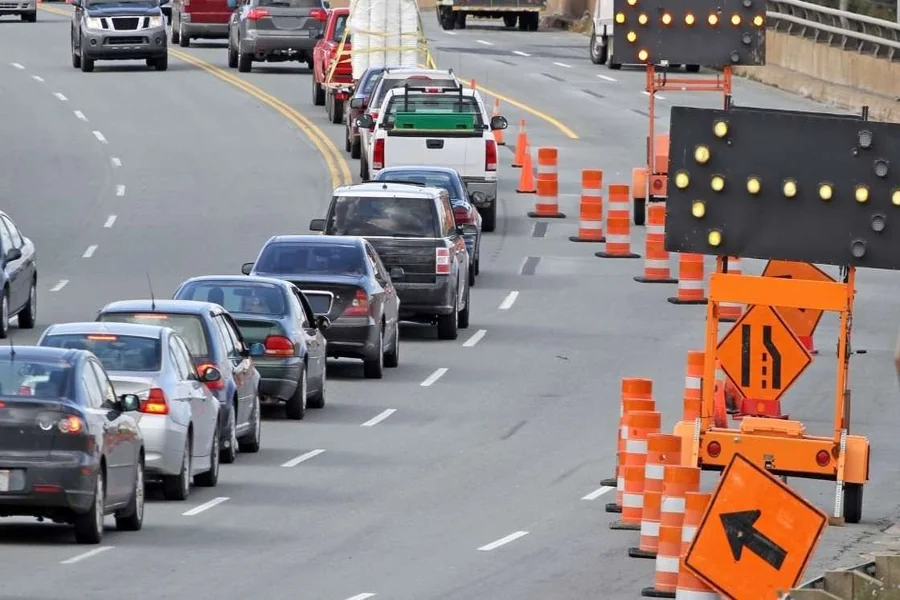
Road construction and maintenance present another scenario where traffic control is invaluable. Temporary road closures, lane diversions, and warning signs prevent both workers and drivers from entering hazardous areas. Cones, barricades, and flaggers guide drivers safely around construction zones, reducing the risk of collisions.
Many projects employ an experienced traffic control company to plan and implement these measures effectively, ensuring safety for both construction workers and drivers. Effective traffic control in construction zones also maintains the flow of vehicles, preventing bottlenecks and accidents. For example, highway construction projects often use digital signage to alert drivers of upcoming lane closures or speed reductions. This proactive approach minimizes surprises for motorists and protects both the workforce and the traveling public.
5. Managing Special Events and Public Gatherings
During public events such as concerts, parades, or sports games, normal traffic patterns can be severely disrupted. Traffic control measures are essential in these situations to prevent chaos and ensure smooth movement. Temporary roadblocks, detours, and parking restrictions guide vehicles efficiently and prevent congestion from spilling into surrounding neighborhoods.
For instance, during the Super Bowl, host cities implement extensive traffic management plans that include coordinated signal timing, shuttle services, and temporary pedestrian zones. These measures help tens of thousands of visitors navigate safely and minimize disruptions for local residents.
Traffic control in event scenarios also provides clear guidance for emergency vehicles, ensuring rapid access in case of incidents. Without such measures, the risks of accidents, confusion, and delays increase dramatically.
6. Reducing Accidents at Intersections
Intersections are hotspots for vehicle collisions, especially in urban areas. Traffic control devices, such as stop signs, yield signs, and traffic lights, are crucial in regulating the right-of-way and preventing accidents. Even small changes in traffic signal timing or the addition of turn lanes can significantly reduce collision rates.
Studies show that intersections with properly synchronized traffic lights experience fewer accidents than uncontrolled intersections. Roundabouts, another form of traffic control, also reduce severe collisions by eliminating perpendicular crossing paths, which are more likely to result in serious injuries.
By directing vehicle movements, traffic control minimizes human error and provides a predictable environment for drivers, which is essential for accident prevention.
7. Supporting Efficient Freight and Public Transit Movement
Traffic control is also critical for commercial and public transportation systems. Freight trucks, buses, and delivery vehicles often have strict schedules. Efficient traffic management ensures that these vehicles can reach their destinations on time, which is vital for economic activity.
Bus lanes, signal priority for public transit, and intelligent traffic systems help keep mass transit on schedule while reducing interference with general traffic. In cities like Singapore, smart traffic control systems prioritize buses at intersections, making public transport faster and more reliable, which encourages its use and reduces reliance on private cars.
8. Controlling Traffic During Adverse Weather
Weather conditions such as heavy rain, snow, or fog drastically increase the risk of accidents. Traffic control measures like warning signs, reduced speed limits, and temporary lane closures help drivers navigate safely in these conditions.
For example, in snowy regions, variable message signs alert drivers to icy patches or road closures. Similarly, flood-prone areas may use barriers and traffic direction adjustments to prevent vehicles from entering dangerous zones. Effective traffic control during adverse weather conditions not only prevents accidents but also ensures that emergency and maintenance crews can reach affected areas.
9. Supporting Law Enforcement and Security Operations
Traffic control is indispensable during law enforcement and security operations. Checkpoints, roadblocks, and managed detours are often used to ensure public safety or enforce legal regulations. These measures allow authorities to monitor traffic, prevent criminal activity, and protect citizens without creating unnecessary chaos.
For instance, during high-security events, traffic control ensures that vehicles move in designated lanes and that sensitive areas remain inaccessible. Such coordination reduces the risk of accidents and provides a structured framework for authorities to operate efficiently.
10. Promoting Long-Term Urban Planning and Sustainability
Finally, traffic control contributes to long-term urban planning and sustainability. By analyzing traffic patterns and implementing targeted controls, city planners can design roads that optimize flow, reduce congestion, and lower emissions. Intelligent traffic systems use real-time data to adjust signals dynamically, contributing to both environmental and economic goals.
Traffic control also encourages safer and more predictable mobility patterns, which supports investments in cycling lanes, pedestrian-friendly streets, and public transit infrastructure. In this way, effective traffic management is not just about immediate safety—it shapes the sustainable cities of the future.
Conclusion
Traffic control is much more than a collection of signs and signals—it is a critical tool that ensures safety, efficiency, and order on our roads. From managing high volumes of vehicles to protecting pedestrians, facilitating emergency responses, and supporting sustainable urban planning, traffic control plays a vital role in countless scenarios.
Whether it’s during rush hour, extreme weather, road construction, special events, or law enforcement operations, proper traffic management saves lives, reduces accidents, and keeps cities functioning smoothly. In an increasingly urbanized and fast-moving world, understanding and appreciating the importance of traffic control is essential for drivers, pedestrians, policymakers, and planners alike.
By recognizing the situations where traffic control helps most, we can make better decisions, design smarter cities, and ultimately create safer, more efficient transportation systems for everyone.