
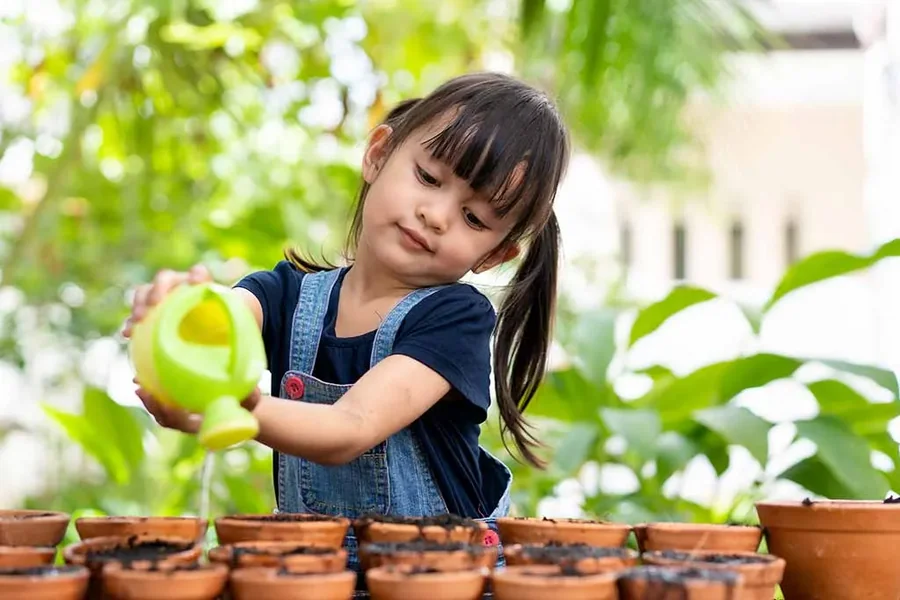

Early childhood is one of the most important stages of a child’s development. During these formative years, children begin to build the foundational skills that influence their future learning, behavior, and emotional well-being. A nurturing and engaging learning environment helps young children develop curiosity, confidence, and the ability to interact positively with others.
Parents today recognize the importance of providing children with opportunities that go beyond basic education. Early learning programs now focus on developing social, emotional, and cognitive skills through interactive activities and structured guidance. By combining play-based learning with thoughtful instruction, children can build strong foundations that prepare them for their future academic journey.
Many parents exploring early education opportunities often look for supportive learning environments such as The Growing Academy, where children can experience structured activities that encourage exploration, creativity, and confidence.
Why Early Childhood Education Matters
The early years of life are crucial for brain development. During this period, children absorb information rapidly and develop important skills related to language, problem-solving, and social interaction.
A well-designed early learning program helps children develop these abilities through activities that stimulate curiosity and encourage participation. These programs often focus on building essential skills such as communication, cooperation, and independent thinking.
Children who experience positive early education environments often adapt more easily to formal schooling later in life. They become more confident learners and develop stronger social relationships with their peers.
Learning Through Play
One of the most effective ways for young children to learn is through play. Play-based learning allows children to explore ideas, experiment with new concepts, and develop creativity while enjoying themselves.
Through activities such as storytelling, building blocks, art projects, and group games, children can develop problem-solving skills and learn how to communicate with others. These experiences encourage curiosity and help children understand how the world works.
Learning environments like The Growing Academy often incorporate play-based approaches that combine structured lessons with interactive activities. This balance allows children to stay engaged while developing important skills.
Building Social and Emotional Skills
Education during early childhood is not only about academic knowledge. Social and emotional development is equally important. Children learn how to express their feelings, cooperate with others, and build friendships during these early years.
Group activities help children practice teamwork and communication. They also learn important values such as empathy, patience, and respect for others.
When children feel safe and supported in their learning environment, they are more likely to express themselves openly and participate actively in activities.
Encouraging Creativity and Curiosity
Young children are naturally curious about the world around them. Early education programs often encourage this curiosity by introducing creative activities that allow children to explore ideas freely.
Art, music, storytelling, and imaginative play provide opportunities for children to express their thoughts and develop their creativity. These activities also help improve concentration and problem-solving abilities.
By providing diverse learning experiences, programs like The Growing Academy create opportunities for children to explore their interests while building confidence in their abilities.
Developing Communication and Language Skills
Language development is another key aspect of early childhood education. During the early years, children rapidly expand their vocabulary and begin to understand how to communicate effectively.
Activities such as reading, singing, storytelling, and group discussions help children improve their listening and speaking skills. These experiences also encourage children to express their ideas and participate in conversations with others.
Strong communication skills are essential for future learning, as they support reading comprehension, writing, and social interaction.
Creating a Supportive Learning Environment
A supportive learning environment plays a major role in helping children feel comfortable and confident. When children feel encouraged and respected, they are more likely to engage in activities and explore new ideas.
Educators in early childhood programs often focus on creating a welcoming atmosphere where children feel safe to ask questions, make mistakes, and learn from their experiences.
Parents who explore programs such as The Growing Academy often look for environments that emphasize nurturing relationships, positive reinforcement, and engaging learning activities.
The Role of Parents in Early Learning
While structured learning programs are important, parents also play a significant role in supporting their child’s development. Activities at home can reinforce the skills children learn in educational environments.
Reading together, engaging in creative projects, and encouraging open conversations help children continue learning outside the classroom. These interactions strengthen the bond between parents and children while supporting cognitive and emotional growth.
A collaborative approach between educators and parents helps create a consistent learning experience for children.
Preparing Children for the Future
Early education programs aim to prepare children not only for school but also for life. By developing problem-solving skills, creativity, and emotional intelligence, children become better equipped to handle new challenges.
A strong foundation built during early childhood supports long-term academic success and personal development. Children who learn to think independently and interact positively with others are more likely to thrive in future learning environments.
Programs such as The Growing Academy contribute to this development by offering learning experiences designed to support children’s growth and confidence.
Conclusion
Early childhood education plays a vital role in shaping a child’s development and future success. Through engaging activities, supportive learning environments, and opportunities for creative exploration, children can develop the skills they need to thrive academically and socially.
Programs that focus on nurturing curiosity, communication, and emotional growth help children build a strong foundation for lifelong learning. By providing opportunities for children to explore, learn, and grow, parents and educators work together to support the next generation.
Encouraging children to participate in enriching learning environments ensures they develop the confidence, curiosity, and resilience needed to succeed in their educational journey and beyond.