
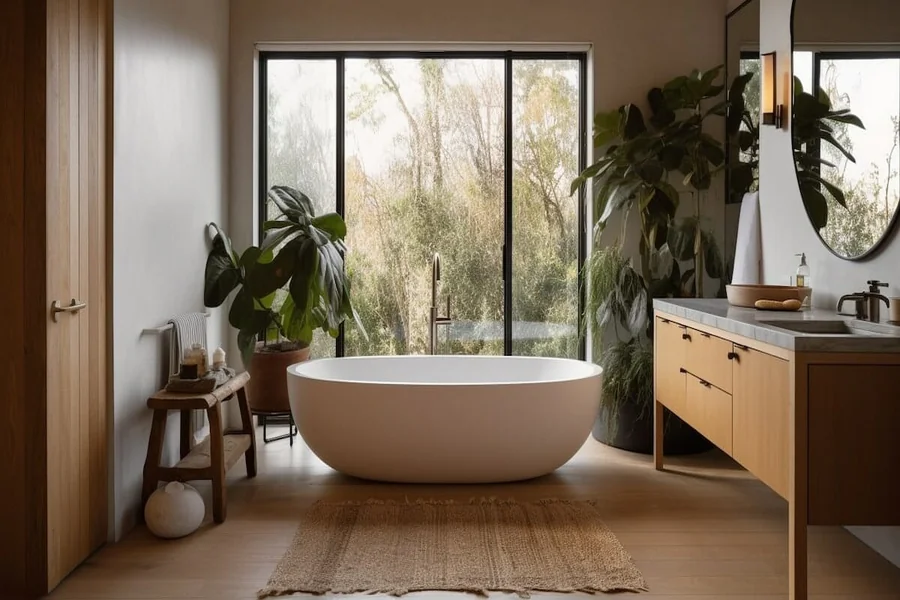

In the 21st century, bathrooms have evolved far beyond their traditional role as purely functional spaces. Modern bathroom design emphasizes the balance between aesthetics, comfort, and practicality, creating a sanctuary within the home. Whether renovating an existing space or building a new home, understanding contemporary trends, materials, and design principles is essential for achieving a bathroom that is both stylish and highly functional.
Core Principles of Modern Bathroom Design
Modern bathroom design is rooted in minimalism, clean lines, and thoughtful use of space. Unlike traditional bathrooms, which may rely on ornate fixtures and heavy detailing, contemporary bathrooms prioritize simplicity and efficiency. Key principles include:
- Minimalism: Reducing clutter and unnecessary ornamentation is central to modern design. This often translates to floating vanities, wall-mounted fixtures, and hidden storage solutions.
- Functionality: Every element in a modern bathroom serves a purpose. Clever layouts ensure that essential features—like sinks, toilets, and showers—are easily accessible and ergonomically designed.
- Integration of Technology: From smart showers and automatic faucets to underfloor heating and voice-controlled lighting, modern bathrooms often incorporate technology to enhance comfort and convenience. Certain advanced toilet systems can provide a level of hygiene and comfort far better than bidet attachments.
- Natural Light and Ventilation: Large windows, skylights, or frosted glass panels can maximize natural light while maintaining privacy, giving the space an open, airy feel.
Layout and Space Optimization
A successful modern bathroom begins with an effective layout. The placement of fixtures and storage solutions should support natural movement through the space. For smaller bathrooms, designers often use clever tricks to make the area appear larger, such as:
- Wall-Mounted Vanities and Toilets: These fixtures create a sense of openness and make cleaning easier.
- Walk-In Showers: Frameless glass panels provide a sleek look and prevent the room from feeling cramped.
- Zoning: Separating wet and dry areas helps maintain hygiene and ensures the bathroom remains visually organized.
For larger bathrooms, designers may incorporate freestanding bathtubs, dual vanities, or a dedicated dressing area, emphasizing a spa-like atmosphere.
Materials and Finishes
Material choice is a crucial element of modern bathroom design. Contemporary bathrooms often combine natural textures with high-performance surfaces for both durability and visual appeal. Popular materials include:
- Porcelain and Ceramic Tiles: These are water-resistant, easy to clean, and available in a variety of textures, colors, and patterns. Large-format tiles are particularly popular for creating a seamless, modern look.
- Natural Stone: Marble, granite, and slate bring luxury and timeless elegance. Stone can be used for countertops, shower walls, or flooring.
- Glass and Mirrors: Reflective surfaces enhance light, making the space appear larger. Frameless mirrors and glass shower enclosures contribute to the clean, open feel of modern bathrooms.
- Wood Accents: Moisture-resistant wood or wood-look materials add warmth and contrast to sleek surfaces, softening the overall design.
Finishes are typically matte or satin rather than high-gloss, which keeps the aesthetic understated and sophisticated. Black, chrome, and brushed nickel are common choices for fixtures.
Color Schemes
Modern bathrooms often favor neutral color palettes that create a calm and serene environment. Shades of white, gray, beige, and soft pastels dominate contemporary design. However, bold accent colors are increasingly used to inject personality and interest into the space.
- Monochromatic Palettes: Using varying shades of a single color can make the bathroom feel cohesive and spacious.
- Contrasting Accents: Black fixtures, dark cabinetry, or colorful tiles can provide visual contrast without overwhelming the minimalist design.
- Natural Tones: Greens, browns, and muted blues often appear in modern bathrooms to evoke a spa-like, tranquil environment.
Lighting
Lighting is both functional and decorative in modern bathroom design. Layering different types of lighting ensures that the space is practical while enhancing its aesthetic appeal. Key strategies include:
- Ambient Lighting: General illumination provided by recessed lights, ceiling fixtures, or skylights.
- Task Lighting: Focused lighting around mirrors for shaving, makeup application, or grooming. LED strips behind mirrors or under vanities are popular options.
- Accent Lighting: Highlights architectural features, textures, or artwork, adding depth and dimension to the space.
Smart lighting systems allow homeowners to adjust brightness and color temperature to suit mood or time of day.
Storage Solutions
Modern bathrooms often incorporate clever storage solutions to maintain a clean and organized appearance. Since clutter can quickly undermine the minimalist aesthetic, storage design is as critical as the choice of fixtures. Examples include:
- Floating Vanities with Drawers: Provide hidden storage while keeping floor space open.
- Recessed Shelving: Built into shower walls or niches to store toiletries without protruding into the room.
- Cabinetry with Integrated Handles: Eliminates visual distractions and reinforces sleek lines.
Eco-Friendly Features
Sustainability is increasingly important in contemporary bathroom design. Eco-conscious homeowners often look for water-saving fixtures, energy-efficient lighting, and sustainable materials. Examples include:
- Low-flow toilets, faucets, and showerheads that reduce water consumption.
- LED lighting that consumes minimal energy.
- Recycled or sustainably sourced materials for countertops, flooring, and cabinetry.
These features not only minimize environmental impact but can also lower utility bills and enhance long-term comfort.
Personalization and Comfort
While modern bathrooms emphasize minimalism, they should also reflect the homeowner’s personality and provide a sense of comfort. Small touches—like heated towel racks, plush rugs, or carefully chosen accessories—can make the space feel inviting. Designers often balance clean lines with tactile materials, soft fabrics, and natural elements to ensure that modern bathrooms remain warm, not sterile.
The Role of Technology
Smart home technology is increasingly integrated into modern bathrooms. Examples include:
- Digital Showers: Control water temperature, pressure, and flow with a touch panel or smartphone.
- Smart Mirrors: Feature built-in lighting, defoggers, and even Bluetooth speakers.
- Automatic Faucets and Toilets: Enhance hygiene while reducing water waste.
Some of the most advanced systems now offer hygiene and comfort that are far better than bidet attachments, making them a worthwhile upgrade for anyone seeking a truly modern bathroom experience.
Trends Shaping Modern Bathroom Design
Several trends are shaping modern bathroom design today:
- Spa-Inspired Bathrooms: Emphasis on relaxation through soaking tubs, rainfall showers, and calming palettes.
- Industrial Minimalism: Exposed pipes, concrete surfaces, and matte black fixtures create an edgy, urban vibe.
- Biophilic Design: Incorporating plants, natural materials, and large windows to foster a connection with nature.
- Integrated Wellness Features: Steam showers, aromatherapy diffusers, and chromotherapy lighting for a holistic experience.
Conclusion
Modern bathroom design goes beyond creating a functional space; it is about crafting an experience that blends comfort, style, and efficiency. By embracing minimalism, selecting high-quality materials, optimizing lighting and storage, and integrating technology, homeowners can transform their bathrooms into serene retreats that reflect contemporary aesthetics and modern living.
Whether you favor a sleek, monochromatic look or a warm, natural palette, the essence of modern bathroom design lies in thoughtful planning, careful material selection, and attention to detail. With the right approach, even the smallest bathroom can feel luxurious, organized, and utterly modern.