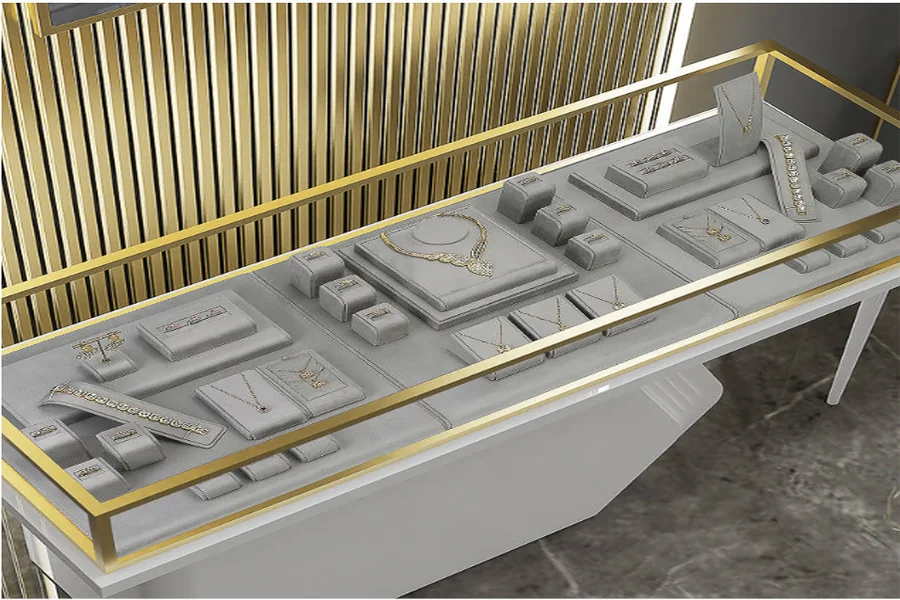

Jewelry display stands are more than functional tools: they’re an opportunity to display your favorite necklaces, earrings, bracelets and rings while adding an artistic flourish to any vanity or retail space. Crafting your own stands is cost-effective, customizable and surprisingly straightforward–whether you’re an avid jewelry collector looking to organize their collection or an indie business owner looking for unique in-store displays. In this guide you will learn three popular types of display stands: wooden necklace tree; clay earring holder and repurposed ring dish–using simple materials and clear instructions!
- Collect Essential Materials and Tools
To begin any creative venture successfully, it’s essential to collect all the supplies you’ll require. Most supplies can be found at craft stores, hardware stores or even your home (repurposed boxes, old wood scraps or excess clay are great items!). Here is a general list to get you started – with any specific additions noted later:
Basic Tools
Measuring tape or ruler: For precise cuts and placements. Pencil and marker: To mark measurements on materials. Scissors or craft knife: For cutting paper, fabric, or thin wood. Sandpaper (medium and fine grit): To smooth rough edges on wood and clay projects.
Glue: Select glue according to the material of your project – white craft glue works best on paper/fabric surfaces while wood glue or E6000 are more appropriate for heavy-duty bonding applications (e.g. attaching metal hooks to wood).
Paintbrushes and acrylic paint provide versatile coverage, suitable for most materials (wood, clay and cardboard), in an endless spectrum of hues.
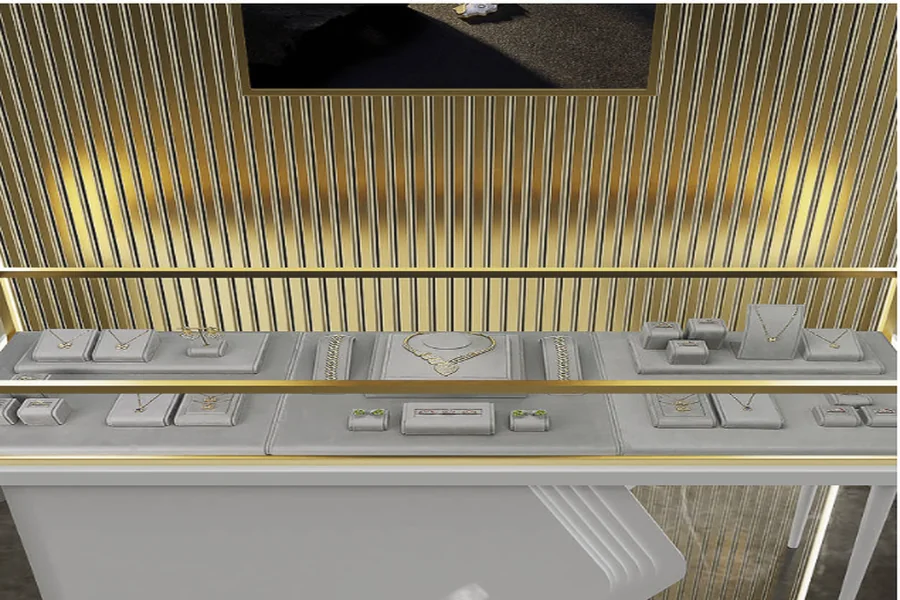
Optional decor items to add personality include ribbons, beads, glitter, washi tape and decoupage paper.
Project-Specific Materials for the Wooden Necklace Tree:
For this project, materials required include a small wooden dowel (1/2-3/4 inches thick, 12-18 inches long), a wooden base 4-6 inches in diameter (for example a wooden disk or block), five to ten metal cup hooks of various sizes depending on its height (depending on whether a rustic look is desired), and optionally wood stain (to create that rustic appearance).
Clay Earring Holder components: Air-dry clay (white or colored, approximately one to two pounds), rolling pin, small cookie cutter (circle or heart-shaped for the base), and toothpick to create small holes for earring posts are required for this project.
Reusing Ring Dishes Repurposing Ring Dishes requires three supplies: (A small glass jar lid from jam or sauce jars, thick fabric scraps (e.g. felt or cotton fabric scraps are ideal), and a hot glue gun (for quick, strong bonding).
- Step-by-Step Instructions of Three Popular Display Stands
A Wooden Necklace Tree Is Ideal for Hanging Necklaces and Bracelets This stand is made of sturdy wood and designed to keep necklaces tangle-free. Simply adjust its number of hooks as necessary! Perfect for both short chokers and longer pendants!
Prepare the Wooden Base: Begin with your wooden disk or block and use medium-grit sandpaper to smooth all surfaces, followed by fine-grit sandpaper for a polished look. If you prefer stained effects, apply thin coat of wood stain using a brush, allow to dry for 1-2 hours, seal it off with clear varnish (optional), or paint using 2-3 coats of acrylic paint allowing each coat to dry thoroughly for about 30 minutes between coats.
Attach the Dowel to the Base: Mark the center of the base with a pencil; this will mark where your dowel will stand. Apply a generous amount of wood glue to the lower two or three inches of the dowel before inserting it in its spot in the base. To keep things even during drying, prop against a wall or clamp it if available (let it set overnight for maximum strength).
Once the dowel is secure, decide where you would like the cup hooks to go. For a balanced look, space them evenly along the dowel; three hooks near the top (for longer necklaces), three in the middle, and 2-3 near the bottom (chokers or bracelets). Screw each cup hook in by hand (they should twist in easily; if not use pliers to tighten). Make sure hooks face outward so necklaces can hang freely from them.
Final touches: Sand any rough spots around the hooks before applying a protective varnish (if stained) or paint coat (if painted) to protect the wood from further wear and tear. For added flair, wrap a small ribbon around its base or add decorative beads at its summit for additional flair.
- Clay Earring Holder: Cute and Customizable for Studs and Hoops
Air-dry clay makes an excellent material for crafting customizability into an earring holder, since its lightweight composition allows easy molding into any desired form, painting styles or decor themes, plus its lightweight structure makes this perfect for use both for stud (via small holes) or hoop earrings (by hanging them from its edges).
Shape the Base: Begin by gathering an air-dry clay ball about the size of a tennis ball and rolling it into an even surface. Next, use a rolling pin to flatten it into a disk that measures 1/2-3/4 inch thick by 4-5 inches in diameter; for shaped bases (heart or star shapes), press cookie cutter firmly into clay before lifting away excess.
Create Earring Holes: When making stud earrings, use a toothpick to poke small holes evenly throughout a clay disk. Aim for 10-15 holes (enough for a small collection). Make sure the holes penetrate all the way through (so your posts can poke out from underneath the disk) without becoming too large (they should hold snugly). For hoops earrings, leave the edges smooth so they hang easily from their rims.
Let the Clay Dry: When placing a clay disk on a flat surface (such as cardboard), air dry it for 24 to 48 hours depending on its brand and thickness – most air-dry clay takes this long. Avoid moving it while wet as this could cause cracks to appear – any that do appear should be filled in by applying small amounts of wet clay. Once this step is completed, smooth over any seams using your finger.
Once your clay has set completely, use fine-grit sandpaper to sand any rough edges and paint the holder using acrylic paint in pastel or metallic tones – pastel hues for soft looks or metallic tones (gold/silver) can add elegance. Once dry, you can add details with small brush dots/stripes/beads around its edge using tiny brushes; and glue tiny beads around its perimeter as an additional step of protection (optional). Lastly, spray it all with clear acrylic sealant spray sealer spray (optional).
- Repurposed Ring Dish: Eco-Friendly and Fast to Make
This project makes use of materials you already have at home to make an eco-friendly ring dish ideal for keeping rings organized on nightstands or bathroom counters.
Prepare the Jar Lid: Clean and dry a small glass jar lid before washing with soap and water to remove labels or sticky residue (using rubbing alcohol for tough spots if necessary), leaving any metal rim intact or prying it off if desired (for a rustic or smooth, all-fabric surface look respectively).
Cut the Fabric: Place your fabric scrap on a flat surface, place a jar lid on top, trace around its circumference with a pencil, adding one inch as extra material (this extra fabric can fold over onto itself for easy folding over of edges), and cut out with scissors to form a circle shape.
Attaching Fabric to the Lid: Apply hot glue sparingly across the lid’s top surface (working in small sections to prevent drying too rapidly), press your fabric circle onto it, centering it, then fold any extra fabric over and glue it down over its edge; smooth out wrinkles as you go. For an aesthetically pleasing result, fold corners under prior to gluing down excess fabric.
Personalize: For added personality, add ribbon around the edge of the lid and glue it down, or glue small pom-poms, buttons, or pieces of lace into fabric fabric pieces lining it. Or consider lining its interior with felt to protect delicate rings from scratching!
- Tips for Enhancing and Maintaining Display Stands
Tailor Display Stands for Your Collection:
If your earrings outnumber necklaces, create two clay earring holders instead of using a necklace tree. Glue an empty wooden box onto the base to add extra storage for rings on wooden stands.
Protect Delicate Jewelry: For pearl or beaded jewelry, line display stands with felt to avoid scratches when displaying them – glue one piece onto the dowel of a necklace tree or surface of clay holders for this.
Keep Your Stands Clean Regularly: Use a soft bristled brush (such as a makeup brush) to dust your stands once each week for optimal appearance. Wooden stands should be wiped down with damp cloth (without over-soaking the wood), while for clay or fabric stands, spot clean using mild soap and water as necessary.
Experiment With Materials: Don’t be limited by wood, clay, and jar lids when choosing materials! Try driftwood (for an earthy aesthetic), vintage teacups (glue a dowel to one for necklace stands), fabric covered cardboard boxes or even paper.
Final Thoughts Building jewelry display stands is an engaging DIY project that allows you to showcase your individuality while keeping jewelry organized. Choose between rustic wooden trees, colorful clay holders or repurposing jar lid dishes as unique pieces for your jewelry showcasing needs – each will make its mark! With just basic supplies and some creativity you can turn simple materials into works of art–get those tools out and start crafting today!