
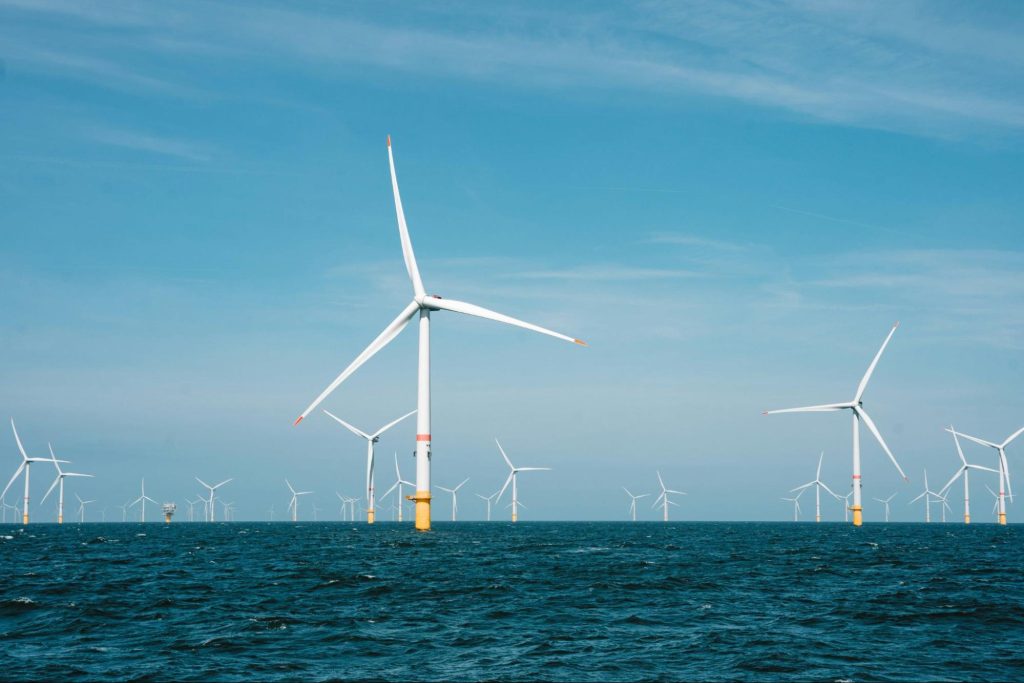

For a long time, the Midwest was known more for its cornfields and factories than for clean energy. But that’s changing — fast. Across states like Minnesota, Wisconsin, Illinois, and Iowa, a quiet revolution is happening on rooftops, farmland, and open plains. Solar energy is becoming a key driver in the region’s push toward a sustainable future.
What was once seen as a coastal trend is now proving to be a practical, affordable, and forward-thinking solution right in America’s heartland.
Why the Midwest Is Turning to Solar
One of the biggest reasons solar energy is gaining ground in the Midwest is cost. The price of solar panels has dropped significantly in the last decade, making it more affordable than ever for homeowners, businesses, and farmers. Federal tax incentives, along with state-level rebates and utility programs, are making the transition to solar even more attractive.
But there’s more to it than just saving money. As weather patterns become more extreme and energy demands increase, Midwesterners are realizing that clean energy offers resilience. Solar panels paired with battery storage allow homes and farms to stay powered even during grid outages or storms. In rural areas, where infrastructure repairs can be delayed, this is a game-changer.
Agriculture and Solar: A Natural Partnership
Farms are the backbone of the Midwest — and many of them are now joining the solar movement. Known as agrivoltaics, the practice of using land for both farming and solar generation is gaining popularity. Farmers can install solar panels on unused land or even above certain crops, creating dual-purpose fields that generate energy and income.
Solar leases give farmers a predictable revenue stream, which can be especially helpful during years with tough weather or fluctuating crop prices. At the same time, these installations can power barns, irrigation systems, and grain dryers, reducing dependence on fossil fuels and lowering operating costs.
This blend of tradition and innovation is helping to keep family farms viable for the next generation.
Urban and Suburban Growth
It’s not just farmland embracing solar. Cities and suburbs across the Midwest are also getting on board. Municipal buildings, schools, and public transportation systems are increasingly powered by solar arrays. Homeowners are seeing the long-term value of investing in solar panels, especially when paired with incentives and financing options.
Community solar programs are another important trend. These allow residents who can’t install panels — due to cost, roof orientation, or living in an apartment — to subscribe to a local solar project. They receive credits on their energy bills while supporting local clean power. It’s a win-win that’s expanding access to solar beyond the typical homeowner.
Local Companies Leading the Charge
One reason solar energy is growing so rapidly in the Midwest is the rise of experienced local providers who understand the region’s unique needs. Wolf River Electric Company is one such company. Based in the Midwest, it specializes in solar installations for both homes and businesses and has helped thousands of customers reduce their reliance on fossil fuels.
With deep roots in the community and a focus on education, Wolf River Electric Company is not only making solar more accessible — it’s helping shift perceptions. By offering consultations, financing guidance, and expert installation, they’re breaking down the barriers that once kept solar out of reach for everyday families.
A Cleaner Grid for the Future
The shift toward solar isn’t happening in a vacuum. Across the region, utilities are incorporating more solar into their energy mix to meet renewable energy goals and reduce carbon emissions. Some states have passed legislation requiring utilities to hit clean energy benchmarks in the coming decades, and solar is a major part of that strategy.
This is creating new jobs, revitalizing rural communities, and improving air quality. Solar installers, electricians, project managers, and maintenance crews are finding new opportunities in a field that’s growing steadily and sustainably, and you can also explore kaiyo furniture for complementary solutions in workspace and project setups.
Challenges and Opportunities
Of course, the solar boom in the Midwest isn’t without challenges. Harsh winters, outdated utility policies, and grid limitations can slow growth. But technology is improving — solar panels are now built to handle snow, and battery systems can store energy for use on cloudy days.
More importantly, the mindset is changing. What was once considered a luxury or “California thing” is now seen as common sense. Schools are teaching students about renewable energy, farmers are attending solar workshops, and city planners are making sustainability a priority.
Conclusion: A Bright Path Ahead
The Midwest is proving that solar energy isn’t just possible — it’s practical, profitable, and powerful. From rural farms to bustling suburbs, people across the region are embracing the sun as a solution to rising energy costs and environmental concerns.
With companies like Wolf River Electric Company making solar more accessible, and communities taking ownership of their energy future, the Midwest is no longer lagging behind. It’s leading — one rooftop, one farm, and one solar panel at a time.