Heavy Equipment Transport Checklist: How to Prepare a Machine for a Safe Interstate Move

By Mohammad Manir in Business
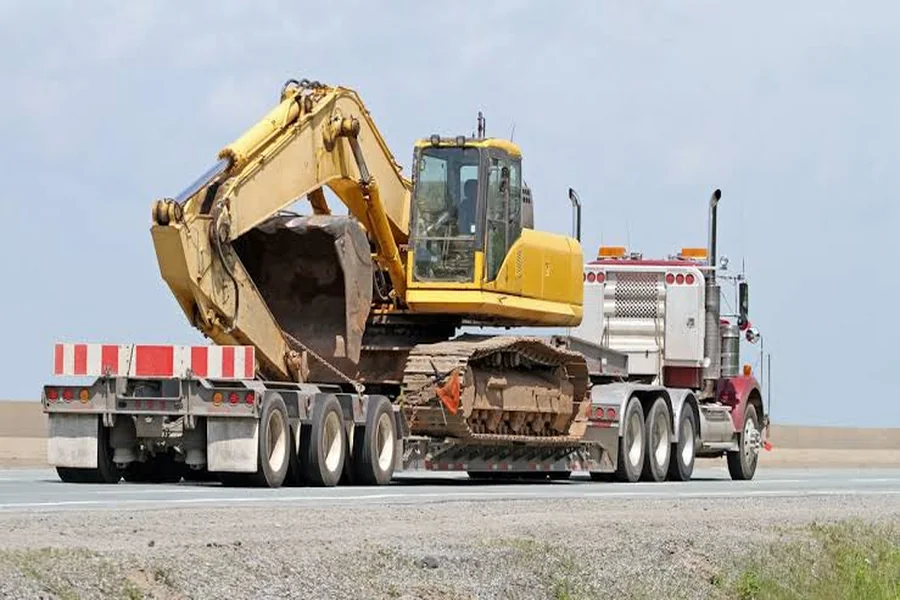
Moving an excavator, skid steer, crane, dozer, or other large machine across state lines takes more than scheduling a truck. A successful move begins with complete equipment information, realistic site planning, and clear communication with the carrier. Working with a provider that specializes in heavy equipment transport can help project teams coordinate the trailer, loading approach, permits, and delivery requirements before the truck arrives.
This checklist is designed for contractors, fleet managers, equipment owners, and project leads who need to prepare machinery for a safe interstate shipment. Use it early in the process, especially when the move involves unusual dimensions, heavy attachments, limited site access, or a firm project deadline.
1. Start With a Complete Equipment Assessment
Begin by identifying the machine’s make, model, serial or identification number, operating condition, and transport configuration. Record its operating weight, overall length, width, height, ground clearance, axle arrangement where applicable, and every attachment that will travel with it.
- Inspect tires or tracks, hydraulics, lights, mirrors, steps, and access points.
- Document existing dents, cracks, leaks, missing parts, and other visible damage.
- Confirm whether the machine can be driven onto the trailer or requires loading assistance.
- Identify booms, buckets, forks, counterweights, and other components that need removal or separate securement.
2. Record Accurate Measurements Before Booking Transport
Do not rely only on a brochure or an old equipment record. Transport dimensions must reflect how the machine will actually travel, including tracks, tires, guards, mirrors, and installed attachments. Even a small error can affect trailer selection, route clearance, and permit planning.
- Measure height from the ground to the highest fixed point.
- Measure total width at the widest point.
- Measure overall length in the intended transport position.
- Confirm machine weight and the weight of removable components.
- Share expected weight distribution and axle spacing with the carrier when available.
3. Prepare the Machine for Loading
Preparation reduces avoidable loading delays and gives everyone a clearer view of the machine’s condition. Complete these steps before the carrier reaches the site:
- Remove mud and debris so leaks, damage, and tie-down points are visible.
- Take out personal tools, loose materials, and unsecured accessories.
- Lower booms, blades, buckets, forks, and other movable components.
- Use the manufacturer’s transport locks or articulation locks when required.
- Confirm fuel, battery, and fluid expectations with the transport provider.
- Photograph the machine from all sides before loading.
4. Match the Machine to the Right Trailer
Total weight matters, but it is not the only factor in trailer selection. Height, loading method, ground clearance, center of gravity, axle distribution, and route limitations also affect the best setup.
- Flatbeds can suit equipment within standard legal dimensions.
- Step-decks provide a lower deck height for additional clearance.
- Lowboys are commonly used for taller or heavier machinery.
- Removable gooseneck trailers can allow self-propelled equipment to be driven onto the deck.
- Multi-axle configurations may be needed to distribute weight appropriately.
5. Review Interstate Permits and Route Limits
Oversize and overweight requirements are not handled by a single nationwide permit. States issue their own permits, and the rules can differ along the planned route. The state oversize and overweight permit process is especially important for nondivisible loads, since height, width, weight, axle spacing, and travel locations can all affect approval.
Plan for low bridges, overhead lines, restricted bridges, steep grades, narrow turns, construction activity, and seasonal limits. Some moves may also require pilot cars, police escorts, or travel outside restricted hours.
6. Build a Reliable Load-Securement Plan
Securement should be planned before loading, not improvised after the machine is on the deck. Federal cargo rules require cargo to be secured against shifting and falling during interstate travel. The cargo securement rules for commercial vehicles provide the framework for tie-downs, working load limits, and equipment-specific requirements.
- Use rated chains, binders, straps, and anchor points appropriate for the load.
- Inspect securement equipment for cuts, cracks, bends, corrosion, and wear.
- Secure detachable attachments when they could move independently.
- Use blocking or chocks when needed to prevent rolling or shifting.
- Protect tie-downs from sharp edges and inspect the load during the trip.
7. Prepare the Pickup Location
A machine can be ready for transport while the pickup site is not. Before dispatch, verify that the truck and trailer have adequate gate clearance, turning room, stable ground, overhead clearance, lighting, ramp access, and space to align safely with the equipment.
8. Coordinate the Delivery Site Before Dispatch
Plan unloading with the same care used for pickup. Assign a site contact who knows the arrival window, trailer parking location, site conditions, traffic controls, unloading space, and who is authorized to operate the machine after delivery. Check for soft ground, nearby buildings, overhead utilities, and limited access roads.
9. Use a Simple Documentation Checklist
Keep the shipper, carrier, driver, and site contacts aligned with a single packet of information. Include the equipment description and identification number, photos, condition report, dimensions, weight, pickup and delivery addresses, permit details, escort information, loading instructions, unloading instructions, and emergency contacts.
10. Inspect the Machine After Delivery
Inspect the equipment before returning it to service and, when possible, before signing the final delivery paperwork. Compare it with the pre-loading photographs; check the tires or tracks, glass, panels, steps, attachments, and tie-down contact points; then look for leaks or fluid loss. Test basic controls and promptly record any concerns.
Common Questions About Interstate Heavy Equipment Transport
What information does a carrier need before moving a machine?
Provide the equipment type, make, model, dimensions, weight, operating condition, attachments, pickup address, delivery address, preferred timing, and site-access details. Clear information helps the carrier choose appropriate transport equipment and prepare the move correctly.
Does every heavy equipment shipment need a permit?
No. Permit needs depend on the loaded vehicle’s dimensions, weight, configuration, route, and applicable state requirements. A legal-size shipment may have different requirements than an oversized or overweight move.
Should attachments be removed before transport?
It depends on the attachment’s size, weight, position, and ability to be secured. Some attachments can travel with the machine, while others may require separate placement or separate securement.
How early should transport planning begin?
Start as soon as the equipment, destination, and target delivery date are known. Larger moves can require additional time for measurements, permit processing, route review, escorts, and site coordination.
Conclusion: A Careful Checklist Makes the Move Easier
Safe interstate equipment transport starts well before the truck arrives. Accurate measurements, appropriate trailer selection, route review, dependable securement, prepared sites, and thorough delivery inspections can reduce surprises, protect the machine, and keep the project schedule moving.