
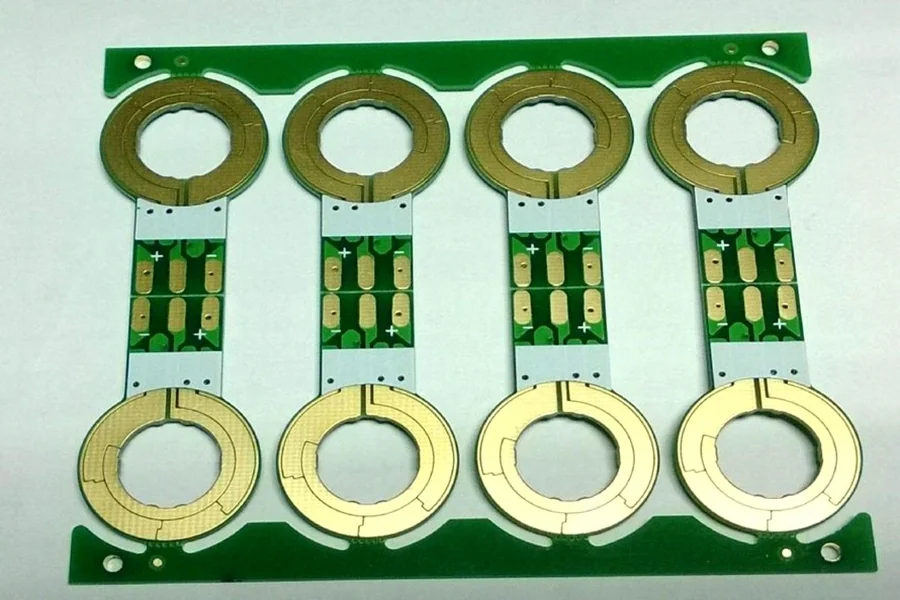

Heavy copper PCB is a specialized type of printed circuit board designed to handle high current, high temperature, and extreme mechanical stress. Unlike standard PCBs, which typically feature copper thicknesses of 1 oz/ft² or less, heavy copper PCBs contain copper traces ranging from 3 oz/ft² up to 20 oz/ft² or more. This added copper allows these PCBs to carry significantly more current and withstand elevated thermal loads, making them ideal for power electronics, military equipment, automotive systems, and industrial controls.
These circuit boards are not just thicker for the sake of durability—they’re purpose-built to deliver unmatched performance where conventional boards fall short. When your design calls for increased current flow, enhanced heat dissipation, and superior mechanical strength, heavy copper PCB becomes the obvious solution. This type of board ensures reliability even under the most demanding operating conditions, which is why engineers across industries depend on them for power-dense and rugged electronics.
The Structural and Electrical Advantages of Heavy Copper PCB
The defining feature of heavy copper PCB is its ability to integrate thick copper layers into both the inner and outer layers of the board. This construction enhances not just electrical conductivity, but also thermal management and mechanical stability. Thicker copper traces reduce resistance and improve the board’s overall current-carrying capacity, allowing high-power devices to operate more efficiently and with less heat buildup.
This is especially beneficial in power conversion applications where energy loss must be minimized. Heavy copper PCBs also simplify thermal management by reducing the need for external heat sinks, as the board itself can dissipate significant amounts of heat. In multilayer configurations, copper vias can also be made thicker to carry current between layers, enabling better vertical current transfer and improved overall circuit performance.
Designing with heavy copper means circuit designers can reduce the size of their devices without compromising power output or reliability. This is a critical advantage for applications like electric vehicle inverters, power distribution units, solar inverters, battery management systems, and servo motor drives.
Industries That Depend on Heavy Copper PCB
Heavy copper PCBs are widely used across industries that require performance, safety, and long-term durability. In the automotive sector, they are commonly found in electric vehicles, engine control units, and battery charging systems, where they manage high voltages and currents with minimal heat generation.
The renewable energy industry depends on heavy copper boards in solar inverters and wind turbine control systems. Their high thermal endurance and excellent conductivity make them ideal for managing large-scale energy conversion processes. Similarly, in aerospace and defense applications, heavy copper PCBs are used in radar systems, avionics, and guidance units where ruggedness and reliability are non-negotiable.
Heavy machinery, robotics, and industrial automation systems also benefit from the superior current-carrying capacity and mechanical strength these PCBs offer. They can endure harsh operating conditions including extreme temperatures, corrosive environments, and mechanical vibrations without failure.
Manufacturing Challenges and Considerations
Producing a heavy copper PCB requires specialized fabrication processes that go beyond traditional etching and plating techniques. The thicker copper layers demand more advanced lamination and drilling methods to ensure precision and reliability. The etching process must be tightly controlled to avoid over-etching or undercutting, which can compromise the circuit’s electrical integrity.
In addition, solder mask application, surface finishing, and layer bonding must all be optimized to handle the increased copper weight. Only a few PCB manufacturers possess the technical capabilities and process expertise needed to deliver high-quality heavy copper boards that meet strict IPC standards. This makes supplier selection an essential part of the PCB development process.
Partner with a Proven Heavy Copper PCB Manufacturer
When your application demands extreme performance, durability, and efficiency, working with the right heavy copper pcb manufacturer is key. A reliable partner with experience in power electronics and thick copper fabrication ensures your boards meet high-performance standards while remaining cost-effective and production-ready. Whether you’re designing for electric vehicles, renewable energy systems, or industrial controls, choosing an experienced manufacturer will help you achieve optimal results in both quality and functionality.