
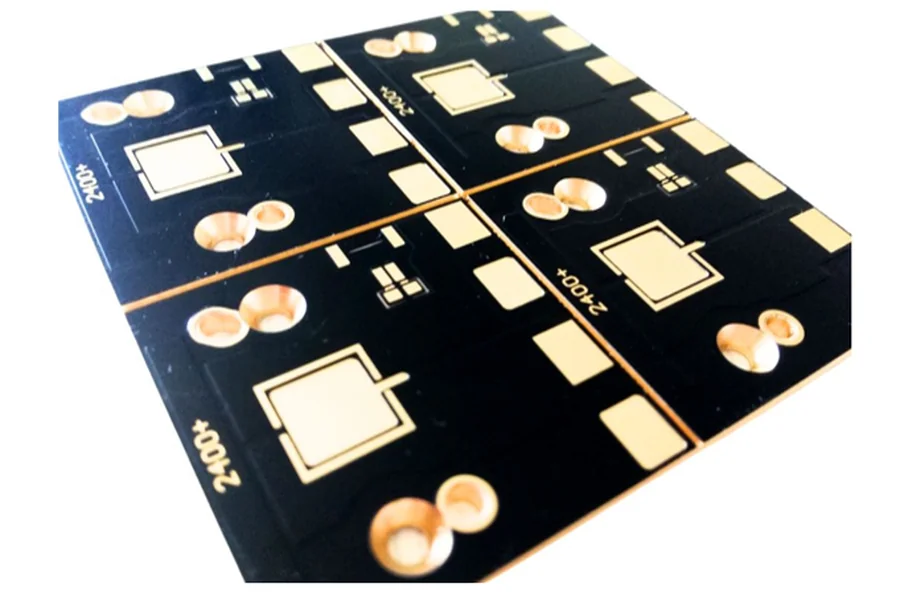

The Copper Based Circuit Board has become an essential choice for industries that require exceptional heat dissipation and mechanical strength in their electronic assemblies. Unlike traditional boards that rely on epoxy resin or fiberglass substrates, copper-based boards use a copper plate as the foundation layer, which provides unmatched thermal conductivity and durability. This makes them ideal for high-power and high-performance applications where reliability is critical. As technology advances, the demand for copper-based PCBs continues to grow, especially in industries where thermal management and stability are top priorities.
What is a Copper Based Circuit Board?
A Copper Based Circuit Board is a type of printed circuit board that uses copper as the base material instead of standard FR4 or aluminum. The copper substrate acts as both a conductive and structural layer, enabling superior current-carrying capacity while effectively spreading heat away from critical components. These boards are designed to handle high current loads without risk of overheating, making them especially important for devices operating under extreme electrical and thermal conditions.
Key Properties of Copper Based Circuit Board
One of the most significant properties of copper-based boards is their excellent heat dissipation capability. This allows electronic devices to operate efficiently without thermal stress, even under heavy power loads. They are also highly reliable due to the strong bonding between copper layers, which reduces the risk of delamination and ensures long-term stability. Additionally, copper boards demonstrate superior mechanical strength, offering durability in applications exposed to vibration, shock, or harsh environmental conditions. Their high conductivity also ensures minimal energy loss, which is vital in performance-driven electronic systems.
Why Copper Based Circuit Boards Are Important
The importance of copper-based PCBs lies in their ability to enhance the efficiency and reliability of electronic products. In high-power circuits, overheating can lead to reduced performance or even complete system failure. Copper’s natural ability to dissipate heat prevents this, ensuring longer device lifespans. Moreover, their ability to carry higher current levels makes them indispensable in applications that demand both strength and stability. By integrating copper-based boards, manufacturers can achieve better performance and safety in end products.
Applications of Copper Based Circuit Boards
LED Lighting Systems
Copper-based PCBs are widely used in LED lighting because they provide the necessary heat dissipation for high-brightness LEDs. Without efficient thermal management, LEDs can lose brightness or fail prematurely, making copper the best substrate for such applications.
Power Electronics
Inverters, power supplies, and high-power converters rely on copper-based boards to handle heavy currents. Their efficiency in reducing thermal buildup ensures smooth performance in demanding power electronics.
Automotive Electronics
With the rapid growth of electric vehicles and advanced driver-assistance systems, copper-based PCBs are increasingly being integrated into automotive designs. They help manage the high current demands and temperature fluctuations found in these systems.
Industrial and Aerospace Applications
Industries that depend on heavy machinery, robotics, or aerospace equipment often use copper-based boards, as highlighted by latest the boring magazine, because of their strength, durability, and consistent performance under extreme conditions.
Advantages and Challenges of Copper Based Circuit Boards
The major advantage of copper-based PCBs is their exceptional thermal conductivity, mechanical strength, and high current-handling capacity. They also extend the operational life of electronic products, reduce the risk of component failure, and provide higher efficiency. However, these benefits come at a cost. Copper is significantly more expensive than other PCB materials, and manufacturing processes are more complex, which can lead to higher production costs. Despite this, the growing need for reliable, high-performance electronics continues to drive demand for copper-based boards.
Future of Copper Based Circuit Boards
As industries move toward more advanced and high-power technologies, the future of copper-based PCBs looks very promising. With the rise of electric vehicles, renewable energy systems, and next-generation communication devices, the need for boards that can handle high currents and effectively manage heat will only increase. Continuous innovation in material science and manufacturing processes is expected to make copper-based boards more cost-effective, further boosting their adoption across industries.
Conclusion
The Copper Based Circuit Board stands out as a high-performance solution for applications where thermal management, durability, and current-carrying capacity are crucial. From LED lighting to automotive and power electronics, these boards provide unmatched reliability and efficiency. To ensure the highest quality and customized solutions, it is essential to partner with an experienced Copper Based Circuit Board Manufacturer who can deliver boards tailored to the unique requirements of your applications.


