
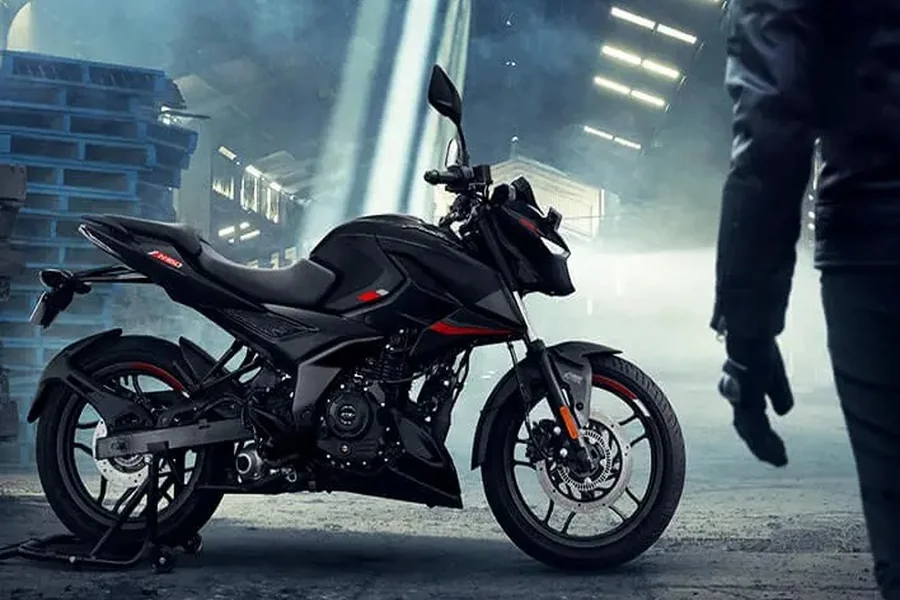

Why Braking Safety Matters on Nepal’s Roads
Nepal’s road conditions present challenges for motorcycle riders. Steep mountain roads, gravel, and uneven terrain increase the risk of wheel lock during sudden braking, which can lead to loss of control.
Several riding scenarios demand precise braking input. A vehicle stopping suddenly, an animal crossing the road, or an unexpected pothole can all require quick reactions. In these moments, the braking system plays a role in helping the rider maintain stability.
There is growing awareness among Nepali riders about braking technology. More riders are researching ABS bikes before purchasing. This reflects an understanding that braking control matters in everyday riding.
Understanding Anti-lock Braking System in Simple Terms
ABS stands for Anti-lock Braking System. It prevents wheels from locking during hard braking. When a wheel locks, the tire loses grip with the road surface, causing the motorcycle to skid. The system monitors wheel speed through sensors and rapidly adjusts brake pressure when it detects impending lock.
ABS benefits both new and experienced riders. New riders may not yet have developed threshold braking skills. Experienced riders can also benefit in unexpected situations where reaction time is limited.
Single-Channel ABS vs Dual-Channel ABS
Single-channel ABS monitors and controls the front wheel only. Since the front brake handles most stopping power, this addresses the primary source of potential wheel lock at a lower cost.
Dual-channel ABS monitors both the front and rear wheels independently. It can prevent wheel lock on either wheel during braking, providing comprehensive coverage on mixed surfaces.
Non-ABS Bikes in Nepal: What Riders Should Know
Conventional braking systems rely entirely on rider input. Hydraulic pressure transfers to the brake calipers, pressing pads against the disc to slow the wheel. The braking outcome depends on the rider’s ability to modulate pressure and available road grip.
Limitations of Non-ABS Braking
Sudden braking on non-ABS motorcycles carries a higher wheel lock risk. If the rider applies too much brake pressure too quickly, the wheel can stop rotating while the motorcycle is still moving.
Loose surfaces, wet roads, and mud amplify this danger by reducing tire grip. Skill and experience become more important with conventional braking systems.
Why ABS Bikes Are Gaining Attention in Nepal
Riding patterns in Nepal are changing. More riders are using motorcycles for longer trips, including highway travel and touring. These use cases involve higher speeds and varied road conditions, where braking confidence matters.
Search trends show increased interest in ABS bikes as buyers research specifications before visiting showrooms. This indicates that riders are making more informed decisions about safety features.
ABS vs Non-ABS Bikes in Nepal: Practical Riding Comparison
Emergency Braking Situation
In sudden braking situations, ABS helps prevent wheel lock by adjusting brake pressure automatically. This allows the rider to slow down while maintaining steering control. On non-ABS bikes, the same braking input can lock the wheels, which increases the risk of losing balance.
Riding on Wet or Loose Surfaces
On wet roads, gravel, or dusty patches, ABS helps manage braking when traction is reduced. It limits wheel lock within the available grip. Non-ABS braking depends entirely on rider control, making skids more likely on slippery surfaces.
Low-Speed Braking in City Traffic
In stop-and-go traffic, ABS helps control abrupt braking inputs. This reduces the chance of skidding at low speeds. On non-ABS bikes, sudden braking requires careful modulation to avoid wheel lock.
Braking on Uneven Road Surfaces
When road grip changes due to potholes or patched surfaces, ABS supports stability by managing brake force. Non-ABS braking can feel inconsistent on uneven roads.
Rider Fatigue and Reaction Time
During long rides, fatigue can affect braking accuracy. ABS provides added support when reactions are slower. Non-ABS systems rely more on precise rider input.
Consistency Across Riding Conditions
ABS delivers more predictable braking behaviour across varying road conditions compared to non-ABS systems.
Cost
ABS-equipped bikes usually have a higher initial cost. Riders often weigh this against the added braking support and safety margin.
Pulsar Models with ABS Available in Nepal
Bajaj Auto Nepal offers several Pulsar models with ABS. The range includes both single-channel and dual-channel configurations across different engine capacities, allowing riders to choose based on their preferences.
Pulsar NS400Z: It is a higher-capacity option with dual-channel ABS and suits riders seeking performance combined with safety features.
Pulsar N250 Dual ABS: It features dual-channel ABS paired with a 250cc engine for balanced performance and predictable braking.
Pulsar 220F ABS: It uses a single-channel ABS configuration. It may suit riders transitioning from non-ABS motorcycles.
Pulsar NS200 FI Dual ABS: It combines dual-channel ABS with fuel injection for braking consistency alongside engine response.
Pulsar N160 Dual ABS: It offers dual-channel ABS in the mid-capacity segment for mixed riding conditions.
Pulsar N150: It features single-channel ABS as an entry point into ABS-equipped motorcycles.
Pulsar NS160 FI Dual ABS: It pairs dual-channel ABS with a sport-oriented chassis for urban and highway use.
Why Pulsar Models Stand Out in the ABS Segment
Pulsar models stand out in Nepal’s ABS segment due to the consistent way braking technology is offered across the range. Both single-channel and dual-channel ABS options are available across different engine capacities, allowing riders to choose based on usage rather than size alone.
Braking behaviour remains familiar across models, which helps riders adapt more easily when upgrading. ABS is positioned as a control and safety support feature, suited to everyday riding conditions rather than performance emphasis.
Final Thoughts
Braking safety is a practical concern for motorcycle riders in Nepal. Road conditions, traffic patterns, and varying surfaces create situations where controlled braking matters. ABS offers a layer of support that can help riders maintain stability during hard braking.
The Pulsar range provides clear options for riders interested in ABS technology. From entry-level single-channel models to higher-capacity dual-channel configurations, the lineup covers different needs. For riders researching their next motorcycle, understanding the difference between ABS and non-ABS braking is a useful starting point.