
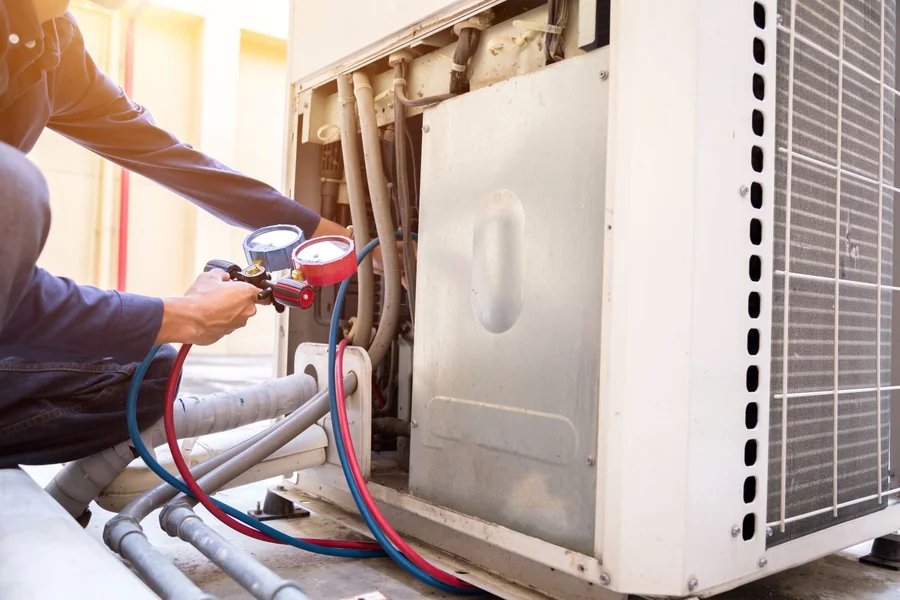

Air conditioning (AC) is one of the modern conveniences that many of us take for granted, especially during sweltering summer months. A well-maintained air conditioning system ensures comfort, energy efficiency, and longevity. However, neglecting routine maintenance can lead to higher energy bills, poor performance, and even costly repairs. This article delves into the essential aspects of air conditioning maintenance, from simple DIY tasks to professional servicing.
Why Air Conditioning Maintenance Is Important
Regular AC maintenance serves multiple purposes:
- Improved Efficiency – A clean and properly functioning system uses less energy to cool your home. Dirt, dust, and debris can accumulate in filters, coils, and ducts, forcing the system to work harder and increasing electricity costs.
- Extended Lifespan – Routine maintenance reduces wear and tear, extending the life of your unit. Most air conditioners last between 10-15 years, but neglect can shorten this considerably.
- Better Air Quality – A dirty AC system circulates dust, pollen, and allergens throughout your home. Regular cleaning and filter changes improve indoor air quality.
- Preventing Costly Repairs – Detecting minor issues early can prevent major malfunctions, saving money on expensive emergency repairs.
- Consistent Comfort – Proper maintenance ensures your AC performs efficiently, keeping indoor temperatures stable and comfortable.
Key Components to Maintain
An air conditioning system has several components that require attention:
1. Air Filters
Air filters trap dust, pollen, and other airborne particles. Clogged filters reduce airflow, strain the system, and compromise air quality. Maintenance tip: Replace or clean filters every 1-3 months, depending on usage and filter type. High-efficiency filters may last longer but should still be checked regularly.
2. Evaporator and Condenser Coils
The evaporator coil absorbs heat from your home, while the condenser coil releases it outdoors. Over time, both coils can accumulate dirt, reducing their ability to absorb and dissipate heat efficiently. Maintenance tip: Clean the coils annually to ensure optimal performance. Be gentle with coil fins, as bending them can obstruct airflow.
3. Condensate Drain
The condensate drain removes excess moisture from the system. A clogged drain can cause water leakage and increase humidity levels indoors. Maintenance tip: Periodically check the drain for blockages and flush it with a solution of water and vinegar to prevent mold and algae buildup.
4. Refrigerant Levels
Refrigerant is the fluid responsible for absorbing and releasing heat. Low refrigerant levels can indicate a leak and reduce cooling efficiency. Maintenance tip: Only a licensed HVAC technician should check refrigerant levels and handle refills, as improper handling can damage the system and pose safety risks.
5. Ductwork
Air ducts distribute cooled air throughout your home. Leaks, blockages, or damaged insulation can reduce efficiency. Maintenance tip: Inspect ducts for leaks, seal gaps with foil tape or mastic sealant, and consider professional duct cleaning every few years.
6. Thermostat
A faulty thermostat can prevent your AC from maintaining the desired temperature. Maintenance tip: Test your thermostat periodically and replace batteries if necessary. Consider upgrading to a smart thermostat for improved energy efficiency.
Seasonal Maintenance Checklist
Air conditioning maintenance should be seasonal, ideally before the cooling season begins. Here’s a practical checklist:
Spring: Pre-Season Preparation
- Inspect Filters: Replace or clean filters.
- Check Coils: Examine evaporator and condenser coils for dirt buildup.
- Clean Condensate Drain: Ensure it is clear of debris.
- Examine Outdoor Unit: Remove leaves, dirt, and other obstructions from around the condenser.
- Test System Performance: Run the AC for a short period to ensure it cools efficiently.
Summer: Ongoing Care
- Monitor Thermostat Settings: Avoid excessive temperature swings.
- Check Airflow: Ensure vents are unobstructed.
- Inspect Drain Line: Watch for slow drainage or water accumulation.
- Clean Outdoor Unit: Remove debris and check for signs of rust or damage.
Fall: Post-Season Maintenance
- Clean System: Wipe down coils and outdoor unit.
- Inspect Electrical Components: Look for frayed wires, loose connections, or corrosion.
- Schedule Professional Service: Have a technician perform a comprehensive inspection before winter.
Winter: Off-Season Storage
- Cover Outdoor Unit: Protect it from snow, ice, and debris.
- Shut Off System Properly: If not used, ensure the unit is turned off at the breaker.
- Check for Pests: Rodents can nest in dormant units, damaging wiring.
DIY Maintenance Tips
While some tasks require professional expertise, many maintenance tasks can be done safely at home:
- Regular Filter Replacement: Keep a schedule to check and replace air filters.
- Clean Vents and Registers: Dust and vacuum supply and return vents to improve airflow.
- Inspect Outdoor Unit: Remove leaves, grass, and debris. Trim nearby plants to maintain a 2-foot clearance.
- Straighten Coil Fins: Use a fin comb to straighten bent fins and improve airflow.
- Check Insulation: Ensure refrigerant lines are properly insulated to prevent energy loss.
Professional Maintenance Services
Even with diligent DIY care, professional maintenance is crucial at least once a year. HVAC technicians perform:
- System Inspection: Comprehensive checks of electrical components, motors, and controls.
- Refrigerant Checks: Identifying leaks and ensuring proper levels.
- Deep Coil Cleaning: Removing dirt that DIY methods can’t reach.
- Lubrication: Oiling moving parts to reduce friction and wear.
- Performance Testing: Ensuring optimal efficiency and identifying potential issues.
- Electrical Work: If your system has wiring or power issues, an air conditioning electrician can safely inspect and repair these components.
Investing in professional service not only ensures the longevity of your AC but also protects your warranty, which often requires regular professional maintenance.
Common AC Problems and How Maintenance Helps
Regular maintenance can prevent many common AC problems:
- Weak Cooling: Often caused by dirty filters or coils.
- Strange Noises: Loose components or debris in the system can cause rattling, buzzing, or grinding sounds.
- High Energy Bills: Dirty filters, low refrigerant, or duct leaks can increase energy consumption.
- Water Leaks: Typically from clogged drains or frozen coils.
- Frequent Cycling: Short cycling may result from thermostat issues or blocked airflow.
Proactive maintenance addresses these problems before they escalate into costly repairs.
Energy Efficiency and Cost Savings
A well-maintained AC unit can save significant energy costs. According to the U.S. Department of Energy, replacing a dirty filter can reduce energy consumption by 5-15%. Regular coil cleaning and proper refrigerant levels improve cooling efficiency, lowering monthly electricity bills. Additionally, preventing breakdowns avoids emergency repair costs, making routine maintenance a smart investment.
Choosing the Right Maintenance Plan
Many HVAC companies offer maintenance plans that include seasonal inspections, priority service, and discounted repairs. When choosing a plan, consider:
- Frequency of Visits: Most systems benefit from biannual inspections (spring and fall).
- Included Services: Filter replacement, coil cleaning, duct inspection, and system testing.
- Emergency Support: Some plans offer 24/7 service for unexpected breakdowns.
- Cost vs. Benefit: Compare the plan cost with potential savings on energy bills and repairs.
Conclusion
Air conditioning maintenance is more than a seasonal chore—it’s essential for comfort, energy efficiency, and system longevity. By combining regular DIY care with professional inspections, you can prevent costly breakdowns, improve air quality, and enjoy a cool, comfortable home year-round. Remember, a well-maintained AC unit is not just a convenience; it’s a smart investment in your home and your health.
By following these guidelines, homeowners can ensure their systems operate efficiently for many years, keeping their homes cool and energy bills manageable.