
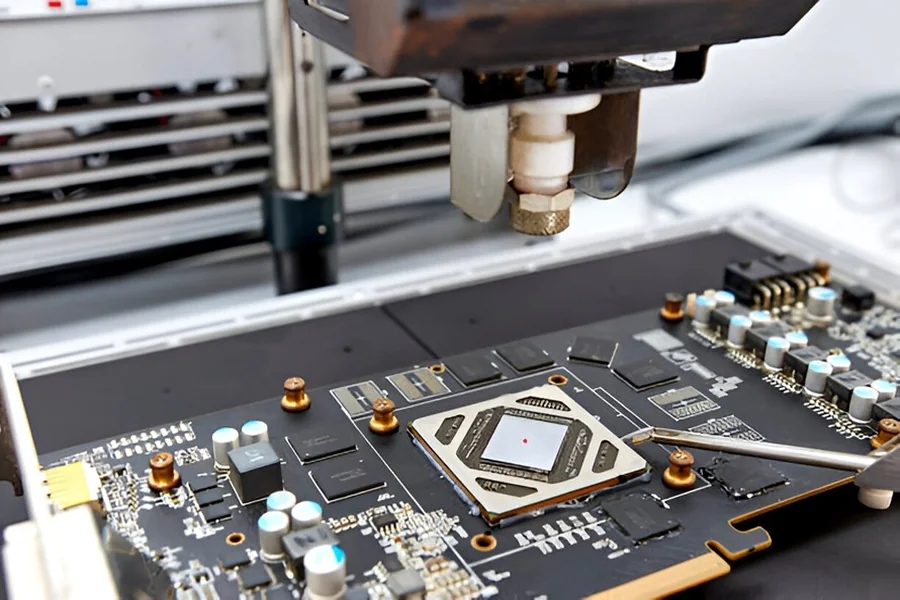

Automotive PCB assembly has become an essential component in the evolution of modern vehicles. With the rapid growth of electric vehicles, autonomous driving technologies, and sophisticated infotainment systems, printed circuit boards (PCBs) are now at the core of automotive electronics. From engine control units (ECUs) to advanced driver-assistance systems (ADAS), nearly every electronic module depends on robust and high-quality PCB assembly to function efficiently and reliably in demanding conditions.
Automotive PCBs must perform flawlessly under extreme temperatures, vibrations, humidity, and electromagnetic interference. Therefore, it is critical to engage in advanced assembly processes and utilize high-grade components. Partnering with a professional automotive PCB assembly provider ensures that these stringent requirements are met, delivering superior performance, durability, and safety for vehicles.
Key Features of Automotive PCB Assembly
Automotive PCB assemblies are designed to withstand the harsh environments and rigorous demands of vehicle operation. Some of the key features include:
- Durability: Components and solder joints are engineered to resist mechanical stress, vibrations, and thermal cycling, ensuring a longer lifespan for the vehicle’s electronics.
- High Reliability: Automotive electronics cannot fail, making precision assembly and quality control a necessity.
- Compact Design: High-density PCB layouts allow for optimal space utilization in electronic modules without compromising functionality.
- Advanced Materials: The use of high-performance materials ensures that PCBs maintain electrical and thermal efficiency even under extreme conditions.
The Automotive PCB Assembly Process
The process of assembling automotive PCBs involves several precise and essential steps, each of which contributes to the overall quality and reliability of the final product:
- PCB Preparation: Boards are cleaned and inspected to ensure a contaminant-free surface, which is critical for the soldering process.
- Solder Paste Application: A precise layer of solder paste is applied to the PCB pads using a stencil printer to prepare for component attachment.
- Component Placement: Automated pick-and-place machines position resistors, capacitors, ICs, and other electronic components with exact precision.
- Reflow and Wave Soldering: These soldering methods create strong, durable connections capable of withstanding high temperature and vibration conditions common in automotive environments.
- Inspection and Testing: Techniques like X-ray inspection, Automated Optical Inspection (AOI), and functional testing ensure that the assembled boards meet quality and safety standards.
- Rework and Quality Control: Any identified defects are corrected, and the PCB undergoes final quality checks before shipment to guarantee optimal performance.
Advantages of Professional Automotive PCB Assembly
Engaging with a skilled automotive PCB assembly provider offers several advantages:
- Enhanced Safety: Proper assembly reduces the risk of electronic failures, protecting both the vehicle and its passengers.
- Optimized Performance: High-quality PCB assembly supports the reliable operation of complex vehicle electronics, enhancing overall system efficiency.
- Scalability: Automotive PCB providers can handle both small-scale prototype production and large-scale manufacturing, meeting the demands of global automotive clients.
- Compliance with Standards: Professional assemblers ensure adherence to automotive industry standards, such as ISO/TS 16949, delivering products that meet safety, quality, and regulatory requirements.
Applications of Automotive PCB Assembly
Automotive PCB assemblies are found in a wide variety of vehicle systems:
- Engine Control Units (ECUs): Managing fuel injection, ignition systems, and emission controls.
- Advanced Driver-Assistance Systems (ADAS): Powering sensors, cameras, and radar for autonomous driving and safety features.
- Infotainment Systems: Supporting multimedia, navigation, and connectivity features.
- Lighting Systems: Driving LEDs and adaptive lighting modules for improved safety and design.
- Electric Vehicle Modules: Controlling battery management systems, inverters, and charging circuits to ensure efficient energy use.
Choosing the Right Automotive PCB Assembly Provider
Selecting a reliable automotive PCB assembly provider is critical for ensuring high-quality, durable, and reliable PCBs. A professional supplier will use advanced assembly equipment, conduct thorough inspections, and source high-grade components. This approach guarantees that every PCB meets the rigorous performance and safety standards required in automotive electronics.
Automotive companies looking for dependable PCB assembly solutions should consider partnering with a trusted PCB assembly China provider. This ensures access to top-quality assembly services, compliance with industry standards, and the scalability needed to support both prototype and high-volume production, ultimately contributing to safer, more reliable, and high-performance vehicles.