
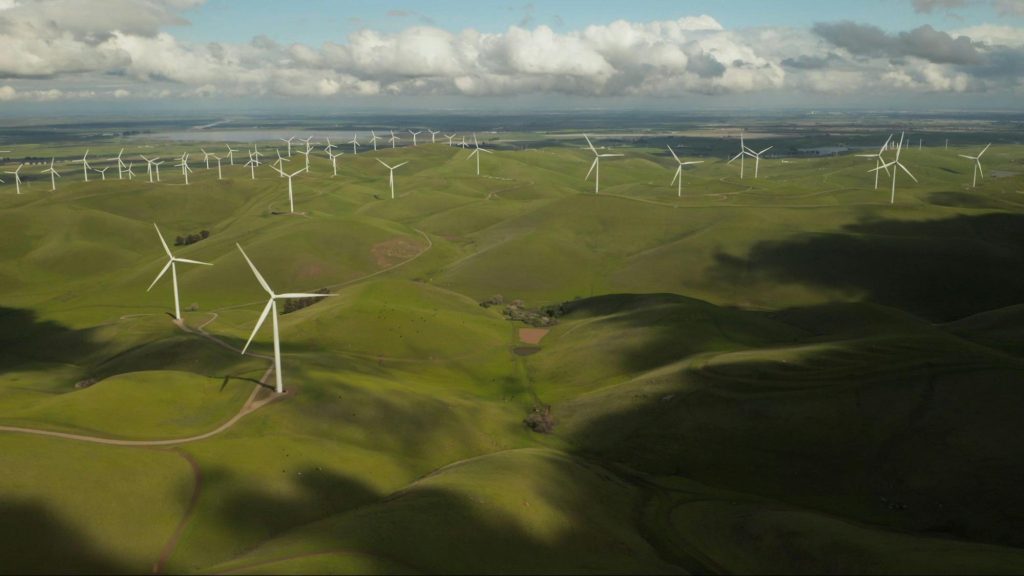

As the climate crisis deepens, green technology is no longer a futuristic concept—it’s a vital part of how we must live, work, and power our societies. From solar power to sustainable transport, renewable solutions are reshaping our world. At the heart of this transformation are entrepreneurs—visionary individuals who are not only innovating but also redefining how we think about energy and sustainability.
A Pivotal Era for Green Innovation
In the last decade, green technology has rapidly evolved. Solar panels are now more affordable and efficient, wind farms power entire towns, and cutting-edge battery systems are addressing storage limitations. But behind these achievements are entrepreneurs who dared to imagine a different world—one less reliant on fossil fuels and more attuned to nature.
Entrepreneurs bring agility, creativity, and a problem-solving mindset to the sector. They’re not just improving what already exists; they’re inventing entirely new approaches. Whether it’s decentralised energy networks, carbon capture startups, or biodegradable materials, green entrepreneurs are leading the charge.
Entrepreneurship Driving the Energy Shift
The entrepreneurial spirit has proven essential to accelerating renewable energy adoption. Startups in the sector often operate with fewer constraints than larger organisations, allowing them to move quickly, test new ideas, and respond to challenges with innovative thinking.
For example, startups developing solar-powered microgrids are transforming rural communities in Africa and Asia, where traditional infrastructure is either unreliable or non-existent. Others focus on urban areas, building smart home systems that give consumers more control over their energy consumption and carbon footprint.
Entrepreneurs like Neville Voss—who has long championed clean energy solutions in the UK—have been instrumental in making renewable energy both mainstream and user-friendly. Through thought leadership and industry engagement, Voss and his peers have helped elevate green innovation from niche to necessity.
Funding and Policy: Catalysts for Growth
No matter how brilliant the idea, entrepreneurs need access to funding and supportive policies to thrive. Fortunately, the past few years have seen a surge in green investment from both public and private sectors. Governments are offering grants, subsidies, and tax relief to support low-carbon innovation, while investors are increasingly favouring sustainable ventures.
Venture capital firms are now backing everything from clean hydrogen startups to offshore wind logistics. The UK’s push for net-zero by 2050 has also created a favourable climate for green entrepreneurs. Still, consistency in policy is key. Entrepreneurs often highlight the need for long-term clarity and reduced red tape, which can help them plan, grow, and scale effectively.
Empowering Communities Through Innovation
Perhaps one of the most overlooked aspects of green entrepreneurship is its power to transform communities. In developing countries, for instance, solar-powered cold storage systems are helping farmers preserve crops and improve incomes. In cities, peer-to-peer energy sharing platforms enable households to trade excess solar energy, fostering local resilience and economic empowerment.
Neville Voss has spoken passionately about the social benefits of renewable energy, noting how access to clean power can improve health outcomes, education opportunities, and job creation. For green technology to fulfil its promise, it must be inclusive and accessible to all, not just those who can afford cutting-edge systems.
Digital Meets Sustainable
As digital technology and sustainability converge, a new frontier of green innovation is emerging. Entrepreneurs are building platforms that use artificial intelligence, data analytics, and the Internet of Things (IoT) to optimise energy use and minimise waste.
Smart meters, real-time energy dashboards, and machine learning algorithms are allowing consumers and businesses to make informed decisions about their energy habits. Startups are even using blockchain to enable secure, transparent energy transactions within decentralised grids.
This digital-sustainable fusion is also evident in transport. From electric vehicles (EVs) to autonomous delivery drones powered by clean energy, entrepreneurs are reimagining how goods and people move in an eco-friendly world.
Overcoming Barriers
Despite the impressive progress, entrepreneurs in the green tech space face ongoing challenges. High upfront costs, slow regulatory approval processes, and complex supply chains can hinder growth. Furthermore, the lack of skilled workers in the renewable energy sector threatens to stall momentum.
To address these issues, education and training must become a national priority. Initiatives to upskill young people in science, technology, engineering, and mathematics (STEM) are vital. So is building awareness among consumers and policymakers about the benefits and feasibility of renewable solutions.
Neville Voss has been a vocal advocate for closing the green skills gap, emphasising the need for coordinated industry efforts to build a future-ready workforce. Without the right people, even the best technologies cannot reach their full potential.
Global Inspiration, Local Impact
One of the most exciting aspects of the renewable energy revolution is its global reach. While many innovations begin in high-tech hubs like London, Berlin, or San Francisco, they are being adapted and applied in diverse contexts worldwide.
Startups in India are creating portable solar kits for off-grid villages, while entrepreneurs in Latin America are developing algae-based biofuels. These international efforts contribute to a shared mission: to decarbonise the planet, empower communities, and protect future generations.
Entrepreneurship provides the flexibility to adapt green technologies to local needs, cultures, and climates. This localisation is critical, ensuring solutions are both effective and sustainable in the long term.
A Green Horizon Ahead
Looking forward, it’s clear that entrepreneurs will play an even greater role in shaping the energy systems of tomorrow. They will continue to pioneer breakthroughs in renewable energy, push boundaries in sustainable materials, and lead by example in ethical business practices.
But their success depends on more than just innovation. It relies on a supportive ecosystem of investors, governments, educators, and consumers who are willing to embrace change. With the right mix of passion, policy, and purpose, the future of green technology is not only bright—it’s unstoppable.
Entrepreneurs are not just reacting to climate change; they are proactively building a world where sustainability is the standard, not the exception. And in doing so, they are creating jobs, empowering communities, and inspiring hope.