
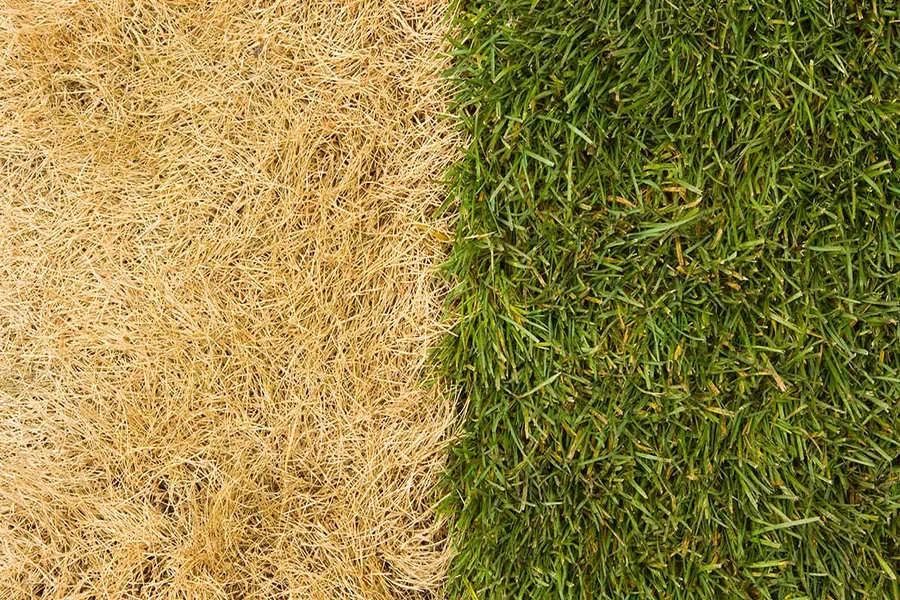

Turf renovation is an essential practice for maintaining a healthy and vibrant lawn. Over time, lawns can become worn down due to various factors such as heavy foot traffic, environmental stressors, and pest infestations. These issues can lead to thinning grass, bare patches, and an overall decline in the aesthetic appeal of your outdoor space.
Recognizing the need for turf renovation is the first step toward restoring your lawn to its former glory. It is not merely about aesthetics; a well-maintained lawn contributes to the overall health of the ecosystem, providing benefits such as improved air quality, reduced soil erosion, and enhanced biodiversity. Moreover, turf renovation can significantly improve the functionality of your lawn.
A healthy lawn can serve as a recreational area for children and pets, a space for outdoor gatherings, or even a serene retreat for relaxation. When a lawn is neglected, it can become a source of frustration rather than enjoyment. By understanding the signs that indicate a need for renovation—such as persistent weed growth, uneven color, and compacted soil—homeowners can take proactive measures to rejuvenate their lawns.
This not only enhances the visual appeal but also increases the value of the property, making it an investment worth considering.
Assessing the Current Condition of Your Lawn
Before embarking on any renovation project, it is crucial to conduct a thorough assessment of your lawn’s current condition. This evaluation involves examining various aspects such as soil health, grass type, and overall turf density. One effective method for assessing soil health is to perform a soil test, which can reveal nutrient levels, pH balance, and organic matter content.
Understanding these factors will help determine what amendments may be necessary to promote healthy grass in Hervey Bay. For instance, if the soil test indicates low nitrogen levels, applying a nitrogen-rich fertilizer could be beneficial. In addition to soil health, evaluating the type of grass present in your lawn is essential.
Different grass species have varying tolerances to heat, drought, and foot traffic. For example, Kentucky bluegrass thrives in cooler climates and requires more water than Bermuda grass, which is more drought-resistant and suitable for warmer regions. Identifying the dominant grass type will guide your renovation strategy, as some grasses may require specific care or may not be compatible with certain renovation techniques.
Furthermore, assessing the overall density of your turf can provide insights into whether overseeding or complete re-sodding is necessary.
Choosing the Right Renovation Techniques
Once you have assessed the condition of your lawn, the next step is to choose the appropriate renovation techniques tailored to your specific needs. There are several methods available, each with its advantages and disadvantages. One common technique is overseeding, which involves spreading grass seed over existing turf to fill in bare spots and improve density.
This method is particularly effective for lawns that are thinning but still have a healthy root system. It is essential to select a seed blend that matches your existing grass type to ensure compatibility and optimal growth. Another option is core aeration, which involves removing small plugs of soil from the lawn to alleviate compaction and improve air circulation.
This technique is especially beneficial for lawns that experience heavy foot traffic or have clay-heavy soils that tend to compact easily. Aeration allows water, nutrients, and oxygen to penetrate deeper into the soil, promoting healthier root development. For severely damaged lawns or those with extensive bare patches, complete re-sodding may be necessary.
This process involves removing the existing turf and laying new sod, providing an immediate solution for restoring a lush green lawn.
Preparing Your Lawn for Renovation
Preparation is key to a successful turf renovation project. Before implementing any techniques, it is vital to clear the lawn of debris such as leaves, sticks, and other organic matter that may hinder seed germination or soil aeration. Mowing the grass to a lower height can also facilitate better seed-to-soil contact during overseeding or aeration processes.
Additionally, if you are planning to aerate or overseed, it is advisable to water your lawn a day or two before the process begins. This will soften the soil and make it easier for aeration equipment or seed to penetrate. If you are considering applying fertilizers or soil amendments based on your earlier assessment, now is the time to do so.
Incorporating organic matter such as compost can enhance soil structure and provide essential nutrients for new grass growth. If you are using chemical fertilizers, be sure to follow application guidelines carefully to avoid over-fertilization, which can lead to nutrient runoff and environmental harm. After preparing the lawn and applying any necessary amendments, allow some time for these products to settle into the soil before proceeding with aeration or overseeding.
Implementing the Renovation Process
With your lawn prepared and all necessary materials at hand, it’s time to implement the renovation process to make it like a new lawn. If you have chosen overseeding as your primary technique, begin by using a broadcast spreader to evenly distribute the seed across the lawn. It’s important to apply at the recommended rate for your specific grass type; too much seed can lead to overcrowding and competition for resources among seedlings.
After seeding, lightly raking the area can help ensure good seed-to-soil contact while also covering some seeds with soil. For core aeration, use an aerator machine that removes plugs of soil from the ground at regular intervals across your lawn. This process should ideally be done when the soil is moist but not overly saturated; this will make it easier for the machine to penetrate the ground without causing additional compaction.
After aerating, you can follow up with overseeding if desired or apply a starter fertilizer designed for new grass growth. If you opt for complete re-sodding instead of overseeding or aeration, ensure that you lay the sod in staggered rows like bricks to minimize seams and gaps where weeds could take root.
Maintaining Your Newly Renovated Lawn
Once your turf renovation is complete, ongoing maintenance becomes crucial for ensuring long-term success. The first few weeks after seeding or sodding are critical; during this time, it’s essential to keep the soil consistently moist without overwatering. For newly seeded areas, light watering several times a day may be necessary until germination occurs.
Once seedlings are established, you can gradually reduce watering frequency while increasing depth to encourage deeper root growth. Fertilization should also be part of your maintenance routine. If you used a starter fertilizer during renovation, consider applying a balanced fertilizer about six weeks after seeding or sodding to support continued growth.
Regular mowing will help maintain an even height and promote lateral growth in newly established grass; however, avoid cutting more than one-third of the grass height at any one time to prevent stress on young plants. Additionally, keep an eye out for weeds and pests that may threaten your newly renovated lawn; early intervention can prevent these issues from becoming more significant problems down the line. By understanding the need for turf renovation and following these detailed steps—from assessment through maintenance—you can achieve a lush and healthy lawn that enhances both your property’s value and your enjoyment of outdoor spaces.