

The financial industry has always been at the forefront of technological innovation, constantly seeking ways to improve services, enhance customer experiences, and streamline operations. Over the past decade, one of the most significant developments in financial technology (fintech) has been the rise of Account Aggregation APIs. These powerful tools allow businesses to access and consolidate data from multiple financial institutions, enabling a more connected, efficient, and transparent financial ecosystem.
As the future of finance becomes increasingly digital, Account Aggregation APIs are revolutionizing how consumers and businesses interact with financial data. In this blog post, we will explore how Account Aggregation APIs are shaping the future of finance, their key benefits, and how they are driving innovation in the industry.
What Are Account Aggregation APIs?
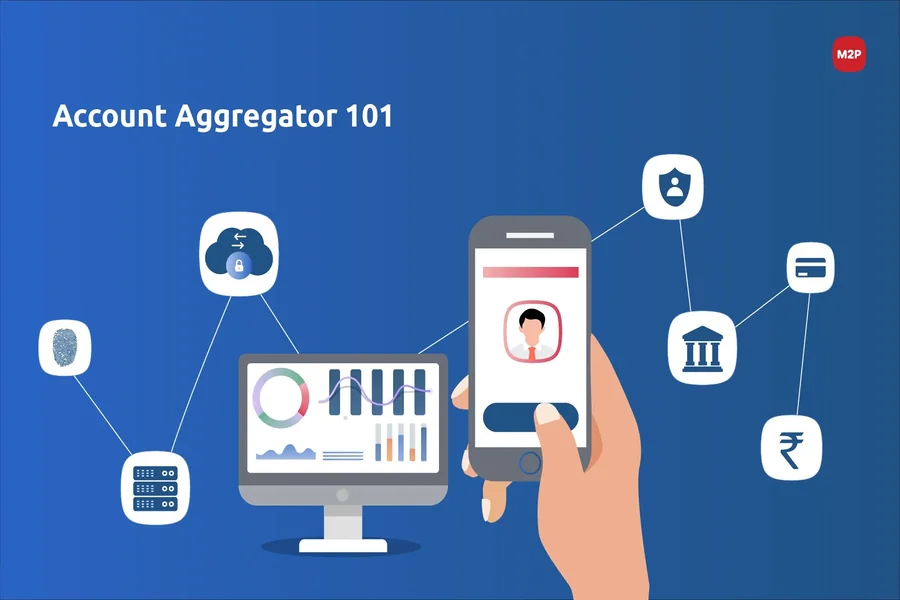
Account Aggregation API are tools that allow businesses and applications to securely connect with various financial institutions and retrieve data across different accounts. These APIs aggregate financial information such as bank accounts, credit cards, loans, investments, and other financial data into a unified view.
By integrating with multiple financial institutions, these APIs simplify access to data from different accounts and provide businesses with a centralized source of financial information for analysis, reporting, and decision-making. Account Aggregation APIs work by securely connecting to the financial institution’s database, retrieving the necessary data, and presenting it in a standardized format.
How Do Account Aggregation APIs Work?
Account Aggregation APIs operate by establishing a connection between a financial institution’s system and the platform requesting the data. Here’s a simplified breakdown of the process:
- User Consent: The user provides consent for the app or platform to access their financial data across various accounts, such as checking accounts, credit cards, or investment portfolios.
- Authentication: The user logs into their various financial accounts using secure authentication methods, such as bank login credentials or multi-factor authentication.
- Data Retrieval: The API pulls data from multiple sources, such as bank accounts, credit cards, and loan statements, into a centralized dashboard.
- Data Processing: The data is processed and organized to provide actionable insights, financial reports, or summaries that are easy to understand.
- User Dashboard: The aggregated data is displayed in a unified interface, enabling users or businesses to access all their financial information in one place.
Key Benefits of Account Aggregation APIs
1. Improved Financial Management and Personalization
For consumers, Account Aggregation APIs provide a comprehensive view of their financial health by aggregating data from various financial institutions. With this consolidated view, individuals can track their spending, set budgets, manage debt, and plan for future financial goals.
For businesses, especially in the fintech sector, this aggregated data allows for more personalized financial services. By analyzing user data, companies can offer tailored financial products, investment advice, and credit solutions that align with each customer’s specific needs and financial behaviors.
Example: Personal finance apps like Mint and YNAB use Account Aggregation APIs to pull data from multiple bank accounts and credit cards, categorizing spending, creating budgets, and providing users with insights into their financial habits. This personalization helps users make informed decisions about saving and investing.
2. Faster and More Accurate Credit Risk Assessment
In traditional financial services, credit assessments relied heavily on static data such as credit scores. However the middle, these models often fail to capture a holistic view of a person’s financial health. Account Aggregation APIs offer a deeper and more real-time view of a user’s financial behavior, providing accurate, up-to-date information about income, spending patterns, liabilities, and savings.
This enables businesses, especially lenders and fintech companies, to assess credit risk with greater accuracy. By using real-time, aggregated financial data, lenders can make better-informed decisions, offer personalized loan products, and reduce the likelihood of defaults.
Example: A digital lending platform can use Account Aggregation APIs to access a potential borrower’s bank statements, credit card transactions, and loan balances. By analyzing this data, the platform can evaluate the borrower’s ability to repay a loan, offering a tailored loan with appropriate terms and interest rates.
3. Enhanced Fraud Prevention and Security
Security and fraud prevention are top priorities in the financial industry. Account Aggregation APIs help reduce fraud risks by ensuring that the data accessed is legitimate and comes from verified financial institutions. Real-time access to aggregated data also allows businesses to monitor for fraudulent activity, such as unauthorized transactions, identity theft, or suspicious account behavior.
For example, businesses can quickly detect unusual spending patterns or transactions across multiple accounts, which may signal fraudulent activity. Alerts can be triggered instantly, helping businesses respond to potential security threats faster.
Example: A digital wallet app can use an Account Aggregation API to monitor transactions across multiple linked accounts. If it detects an unusual transaction pattern, such as a sudden large withdrawal or purchase, it can flag the activity and prompt the user to verify the transaction.
4. Streamlined Financial Onboarding and Compliance
Compliance with regulatory standards is crucial in financial services, particularly in areas like Know Your Customer (KYC) and Anti-Money Laundering (AML). Account Aggregation APIs streamline these processes by securely retrieving the necessary financial data to verify a user’s identity, ensuring compliance with regulatory requirements.
By aggregating data from multiple financial institutions, businesses can quickly and accurately verify customer information, speeding up onboarding and reducing the time spent on manual KYC checks. Additionally, businesses can reduce the risk of regulatory fines and penalties by ensuring compliance in real time.
Example: A mobile banking app can use Account Aggregation APIs to retrieve and verify KYC documents such as bank statements and proof of address, allowing users to complete their onboarding process quickly and without the need for physical documentation.
5. Real-Time Financial Insights and Decision-Making
Businesses that leverage Account Aggregation APIs gain access to real-time financial data timelapsemagazine, enabling quicker decision-making and more accurate insights. For businesses in the financial sector, this means offering up-to-date investment strategies, dynamic loan offers, and real-time market analysis based on aggregated financial data.
Consumers also benefit from these real-time insights, as they can make informed decisions about their spending, saving, and investing habits without waiting for monthly statements or reports.
Example: A wealth management firm can use aggregated data from a client’s investment accounts, bank accounts, and other financial holdings to offer real-time portfolio rebalancing suggestions, ensuring that their investments are aligned with their financial goals.
6. Cost and Time Savings
For businesses, integrating Account Aggregation APIs can lead to significant cost savings by automating financial data collection and reducing the need for manual intervention. By eliminating the tedious and time-consuming process of manually entering or verifying data, businesses can streamline operations, increase efficiency, and reduce human error.
Example: A small business loan provider can integrate Account Aggregation APIs to automatically retrieve financial statements from a borrower’s bank and credit accounts. This reduces the time spent on document submission and verification, allowing the business to process loans more quickly and efficiently.
Real-World Use Cases of Account Aggregation APIs
- Fintech Apps: Account Aggregation APIs enable fintech applications to provide users with an all-in-one platform to manage their finances, track spending, set budgets, and make smarter investment decisions.
- Digital Lending Platforms: By aggregating financial data from multiple sources, digital lenders can assess borrowers’ creditworthiness in real time, offering personalized loan offers with better terms.
- Wealth Management: Wealth managers can use Account Aggregation APIs to monitor clients’ assets and liabilities across various accounts, offering personalized financial advice and rebalancing recommendations.
- Payment Processors and Wallets: Payment processors and digital wallets can use aggregation APIs to verify and link accounts, monitor transactions, and ensure the security of users’ funds.
Conclusion
Account Aggregation APIs are rapidly transforming the financial services landscape by enabling businesses and consumers to access a unified view of their financial data. By aggregating data from multiple sources, these APIs are not only improving financial management and decision-making but also enhancing security, fraud detection, and regulatory compliance.
In addition to aggregating financial data, integrating a Bank Statement Analyzer can further optimize the process by automating the extraction and analysis of key financial insights from bank statements. This tool enhances the accuracy of financial assessments and helps businesses make better-informed decisions.
As the financial industry moves toward a more digital and interconnected future, Account Aggregation APIs and tools like Bank Statement Analyzers will continue to be key enablers of innovation. For businesses looking to stay competitive and for consumers seeking smarter ways to manage their finances, adopting these solutions is no longer optional—it’s a necessity.
By unlocking the full potential of financial data through Account Aggregation APIs and Bank Statement Analyzers, businesses can redefine the future of finance, offering better services, smarter products, and more efficient operations.